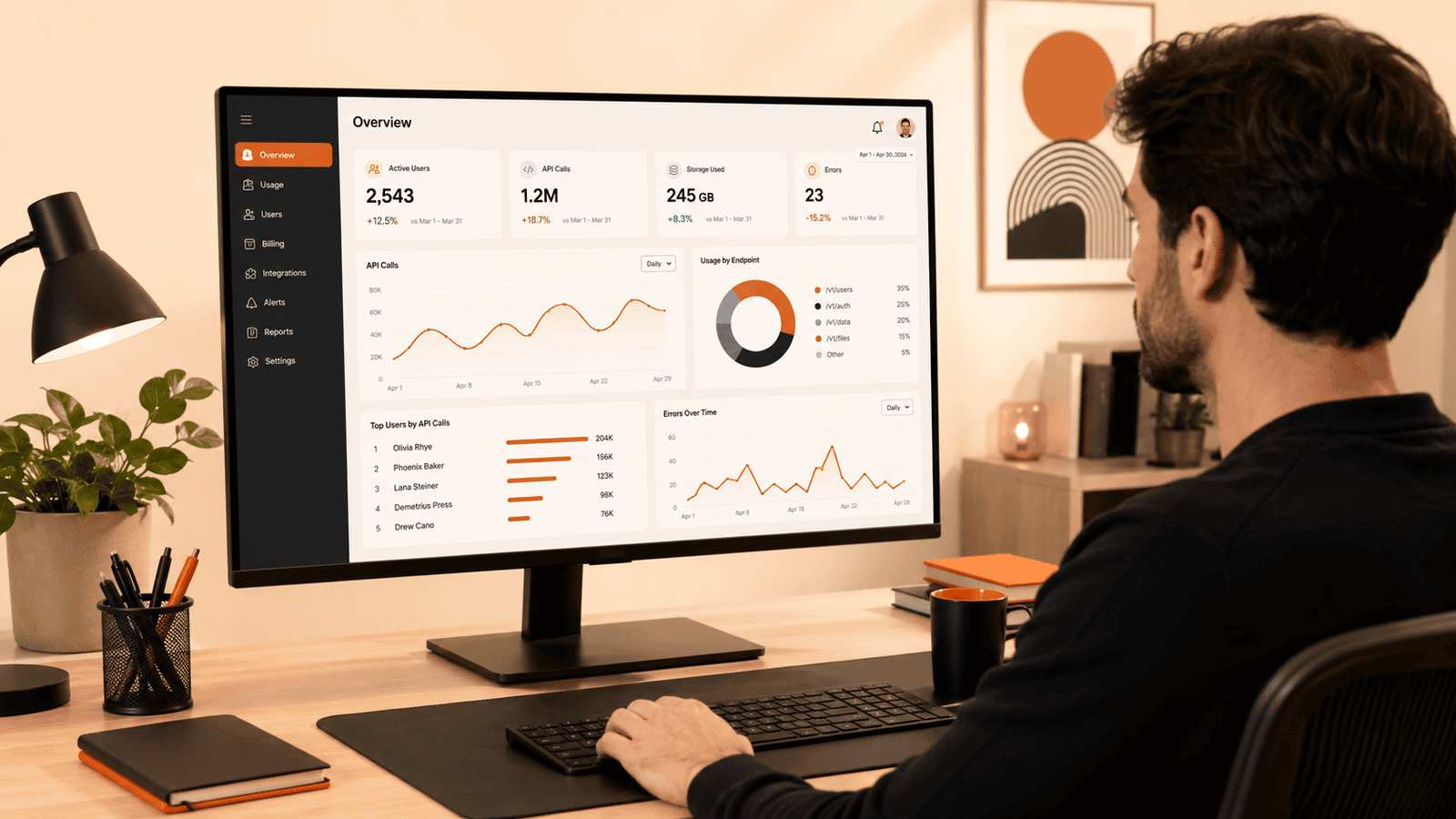

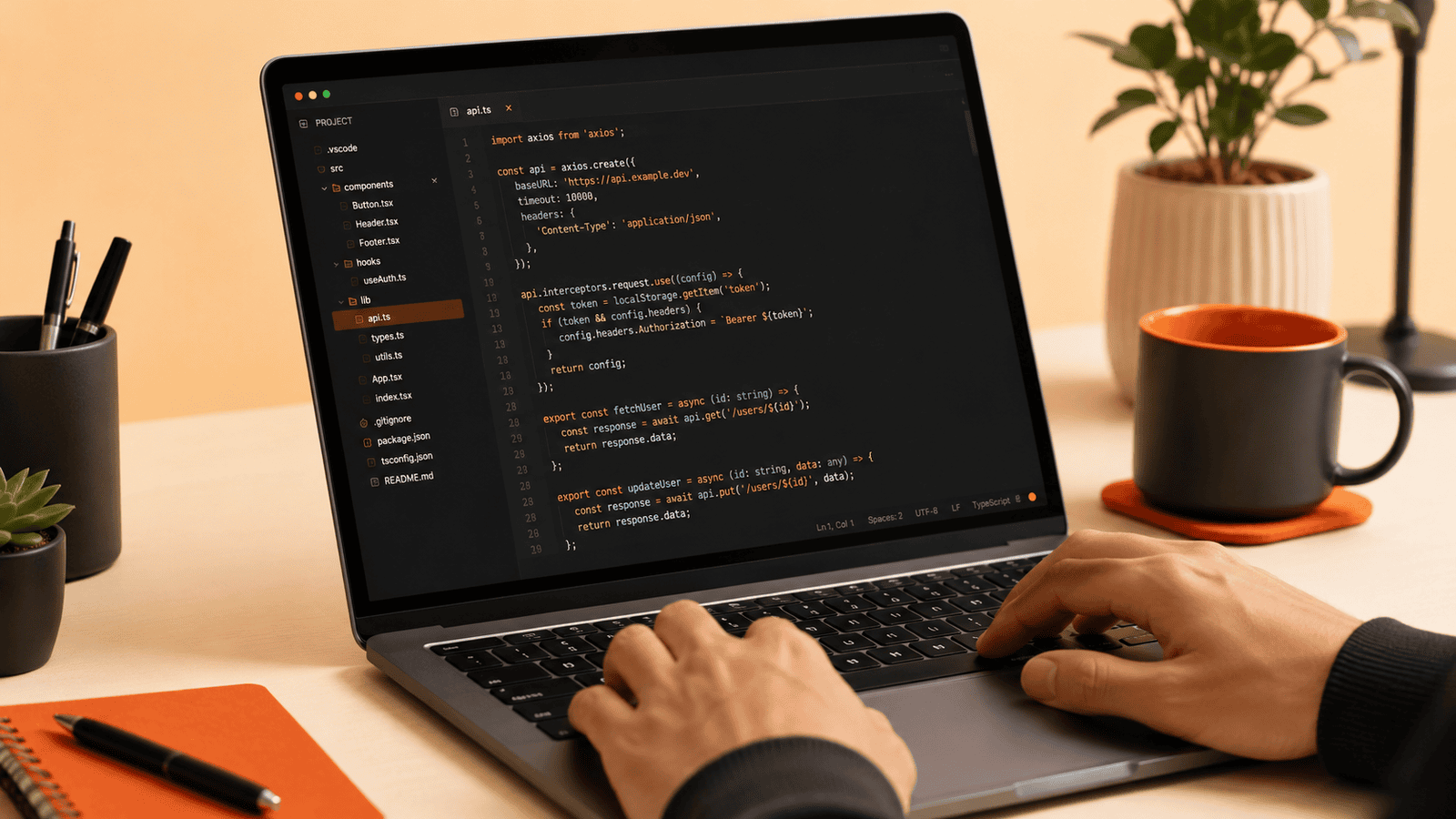
This decision often gets treated as a binary between established reliability and tailored flexibility. The genuine right answer depends on factors more specific than that broad framing suggests.
ERP Systems Excel at Genuinely Standardized Business Processes
For processes that are genuinely similar across most businesses in your industry \— standard accounting, common inventory management \— established ERP systems offer proven, battle-tested functionality that custom development would need to genuinely rebuild from scratch.
Custom Software Earns Its Cost With Genuinely Unique Business Processes
When your genuine competitive advantage comes from a distinctive process ERP systems don't naturally support well, custom software's ability to precisely match that unique process justifies its higher relative development cost.
Integration Complexity Differs Meaningfully Between the Two Approaches
ERP systems often include genuine pre-built integrations with common business tools, while custom software may require building integrations from scratch, a real cost and complexity difference worth factoring into total project consideration.
A Reasonable Way to Decide
Identifying which specific business processes are genuinely standard versus genuinely distinctive competitive differentiators reveals whether ERP's proven standardization or custom software's tailored flexibility better serves your actual specific situation.
Weighing ERP against custom software for your business? ERP Systems
How to Honestly Assess Whether Your Processes Are Genuinely Unique
Many businesses genuinely believe their processes are more distinctive than they actually are, making honest comparison against genuine industry-standard practice, not just internal assumption, important before concluding custom development is genuinely necessary.
This honest assessment matters because unnecessary custom development for processes that could have been genuinely served by standard ERP functionality represents real, avoidable cost without corresponding genuine competitive benefit.
Why a Hybrid Approach Sometimes Serves Businesses Best
Using ERP for genuinely standard processes while building custom software for the specific distinctive processes that actually differentiate your business captures benefits of both approaches without requiring an entirely binary choice.
How Implementation Timeline Genuinely Differs Between ERP and Custom Development
ERP implementation, while sometimes lengthy for genuine configuration and data migration, is generally more predictable than custom development's inherently more variable, less precedented timeline for building genuinely new functionality from scratch.
Why Total Cost of Ownership Should Include Genuine Long-Term Maintenance
ERP systems typically include ongoing vendor support and updates in their licensing cost, while custom software requires separate genuine maintenance arrangement, a real long-term cost difference worth including beyond initial implementation comparison alone.
A Reasonable Way to Validate This Decision Before Full Commitment
Piloting the most critical, genuinely distinctive process with either approach at smaller scale, before committing to full implementation, reveals genuine fit and feasibility more reliably than deciding based purely on theoretical comparison.
How Industry-Specific ERP Options Change This Calculation
Industry-specific ERP solutions, built with genuine understanding of common processes within a particular sector, sometimes bridge the gap between generic ERP and custom development, offering more tailored functionality than horizontal ERP while avoiding full custom development cost.
Evaluating whether a genuine industry-specific ERP option exists for your sector, before assuming the choice is strictly between generic ERP and custom software, can reveal a middle path that better fits many businesses' actual situation.
Why Data Migration Complexity Deserves Genuine Attention in Either Approach
Both ERP implementation and custom software development require genuine data migration from existing systems, and underestimating this complexity, regardless of which path chosen, is a common source of unexpected timeline and cost overrun.
How Vendor Viability Should Factor Into an ERP Decision
Assessing a genuine ERP vendor's long-term viability and update commitment matters considerably, since building genuine business dependency on a vendor that later discontinues support creates real disruption risk worth evaluating during vendor selection.
Why Custom Software Ownership Offers Genuine Long-Term Control Advantages
Owning custom software outright provides genuine long-term control over feature roadmap and modification that ERP licensing arrangements typically don't offer, a real advantage worth weighing for businesses anticipating significant genuine future evolution.
A Reasonable Way to Involve End Users in This Decision
Gathering genuine input from the actual staff who will use the system daily, not just leadership evaluating the decision abstractly, surfaces practical considerations about workflow fit that purely strategic-level evaluation might miss.
Why Change Management Deserves Equal Attention Regardless of Which Path You Choose
Both ERP implementation and custom software rollout require genuine organizational change management — employee training, workflow adjustment — that's easy to underestimate regardless of which technical approach is ultimately chosen.
Why Scalability Considerations Differ Between ERP and Custom Software
ERP systems generally offer proven, genuine scalability for standard growth patterns, while custom software's scalability depends entirely on how well it was genuinely architected, making this a specific point worth evaluating carefully for custom development.
How Customization Limits Within ERP Systems Should Be Understood Upfront
Even flexible ERP systems have genuine customization limits, and understanding these boundaries before implementation prevents discovering mid-project that a seemingly minor customization request actually exceeds what the platform can reasonably support.
How Regulatory or Compliance Requirements Sometimes Tip This Decision
Businesses in genuinely regulated industries sometimes find ERP systems' built-in compliance features provide meaningful advantage over custom development, which would need to genuinely build compliance functionality from scratch.
Why Employee Adoption Resistance Deserves Genuine Planning Regardless of Choice
Both ERP and custom software rollouts can face genuine employee resistance to changed workflows, making dedicated change management planning worthwhile regardless of which technical path is ultimately chosen.
Key Takeaways
- ERP systems offer proven, battle-tested functionality for genuinely standardized business processes across most industries.
- Custom software justifies higher cost when genuine competitive advantage comes from distinctive processes ERP doesn't support well.
- Many businesses believe their processes are more distinctive than they genuinely are, warranting honest comparison against industry standard.
- A hybrid approach, using ERP for standard processes and custom software for distinctive ones, often serves businesses best.
- Total cost of ownership should include genuine long-term maintenance, where ERP and custom software differ meaningfully.
Frequently Asked Questions
When does ERP make more sense than custom software?
For genuinely standardized processes similar across most businesses in your industry, ERP's proven functionality is usually more efficient.
When does custom software justify its higher cost?
When genuine competitive advantage comes from a distinctive process that established ERP systems don't naturally support well.
Are our business processes really as unique as we assume?
Often less unique than assumed — honest comparison against genuine industry-standard practice is worth doing before assuming custom development.
Can we use both ERP and custom software together?
Yes — a hybrid approach using ERP for standard processes and custom software for distinctive ones often works well.
Does ERP implementation timeline differ from custom development?
Yes — ERP is generally more predictable, while custom development has inherently more variable timeline for new functionality.
Do industry-specific ERP options exist that bridge generic ERP and custom software?
Yes, often — these can offer more tailored functionality than horizontal ERP while avoiding full custom development cost.
Does data migration complexity matter regardless of which approach we choose?
Yes — both approaches require genuine data migration, and underestimating this is a common source of overrun.
Should ERP vendor viability factor into our decision?
Yes — building dependency on a vendor that later discontinues support creates real disruption risk.
Does owning custom software provide genuine long-term advantages?
Yes — it provides control over feature roadmap and modification that ERP licensing typically doesn't offer.
Does change management matter regardless of which approach we choose?
Yes — both paths require genuine organizational change management that's easy to underestimate.
Does scalability differ between ERP and custom software?
Yes — ERP offers proven scalability for standard growth, while custom software depends on architecture quality.
Should we understand ERP customization limits before implementation?
Yes — this prevents discovering mid-project that a request exceeds what the platform can support.
Does regulatory compliance affect the ERP versus custom decision?
Yes, sometimes — ERP's built-in compliance features can provide meaningful advantage in regulated industries.
Does employee resistance affect both ERP and custom software rollouts?
Yes — both can face resistance to changed workflows, making change management planning worthwhile either way.
Should we involve IT and business stakeholders together in this decision?
Yes — joint involvement ensures both technical feasibility and genuine business need are properly weighed.
Does company size affect which option makes more sense?
Somewhat — larger organizations often have processes complex enough to justify either approach more readily than smaller ones.
Should we request references from other businesses using an ERP system?
Yes — genuine peer feedback reveals practical implementation experience beyond vendor marketing claims.
Does the availability of skilled developers affect the custom software decision?
Yes — access to genuinely qualified developers for your chosen technology stack affects long-term maintainability.
Is it reasonable to pilot an ERP module before full rollout?
Yes — piloting a single module first validates fit before committing to organization-wide implementation.
Should we budget for post-implementation support regardless of approach?
Yes — both paths benefit from dedicated post-launch support to address issues as they surface.
Should smaller businesses even consider full ERP systems?
Depends on genuine process complexity — some smaller businesses benefit, while others are better served by simpler tools.