
Get In Touch
hello@digitallyscaled.com
Ph: +1 (713) 949-5161
Office
Houston, TX, United States
Home/Software/Enterprise Resource Planning (ERP) Systems
ERP Systems

ERP systems that connect every part of the business.

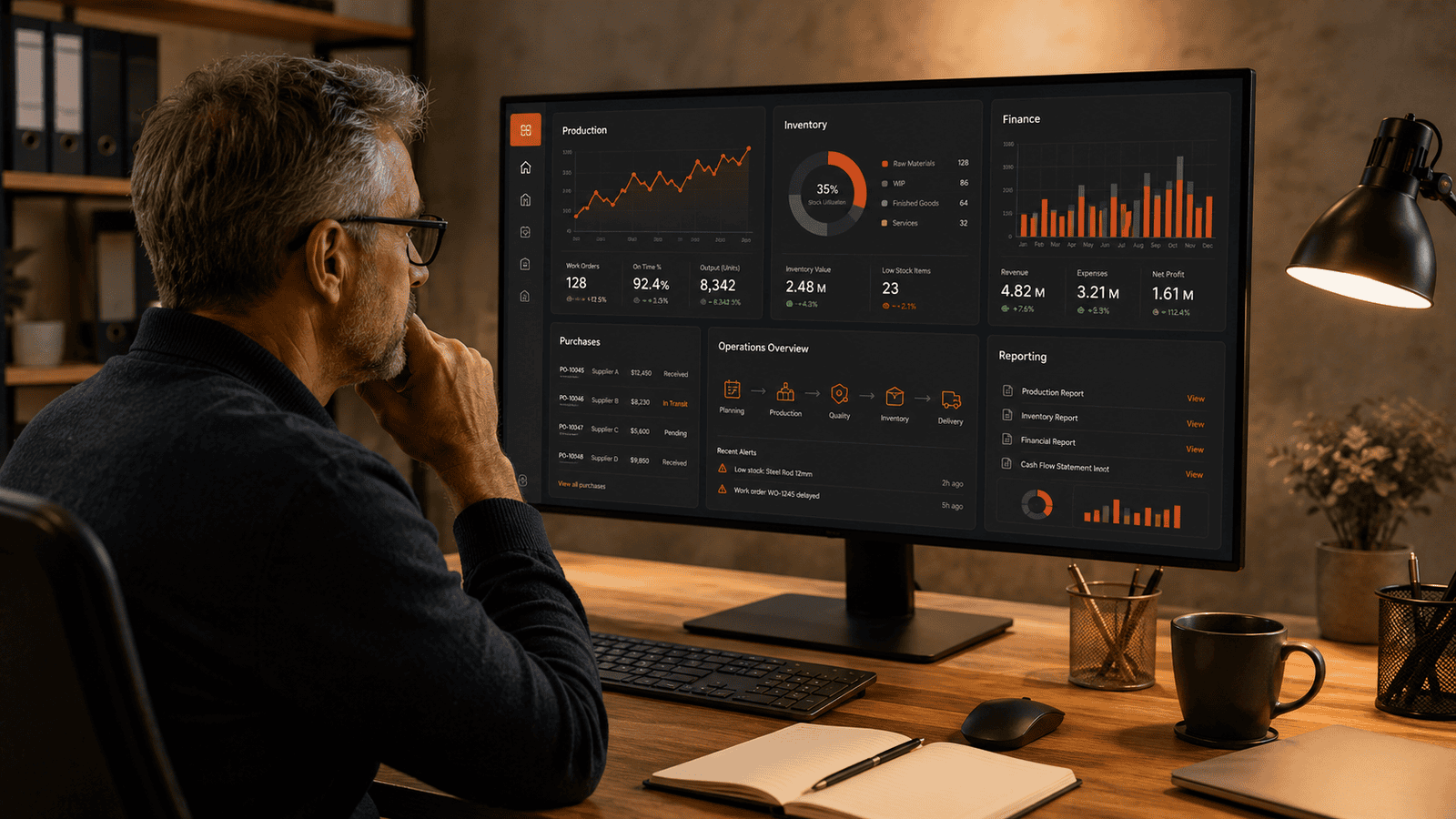
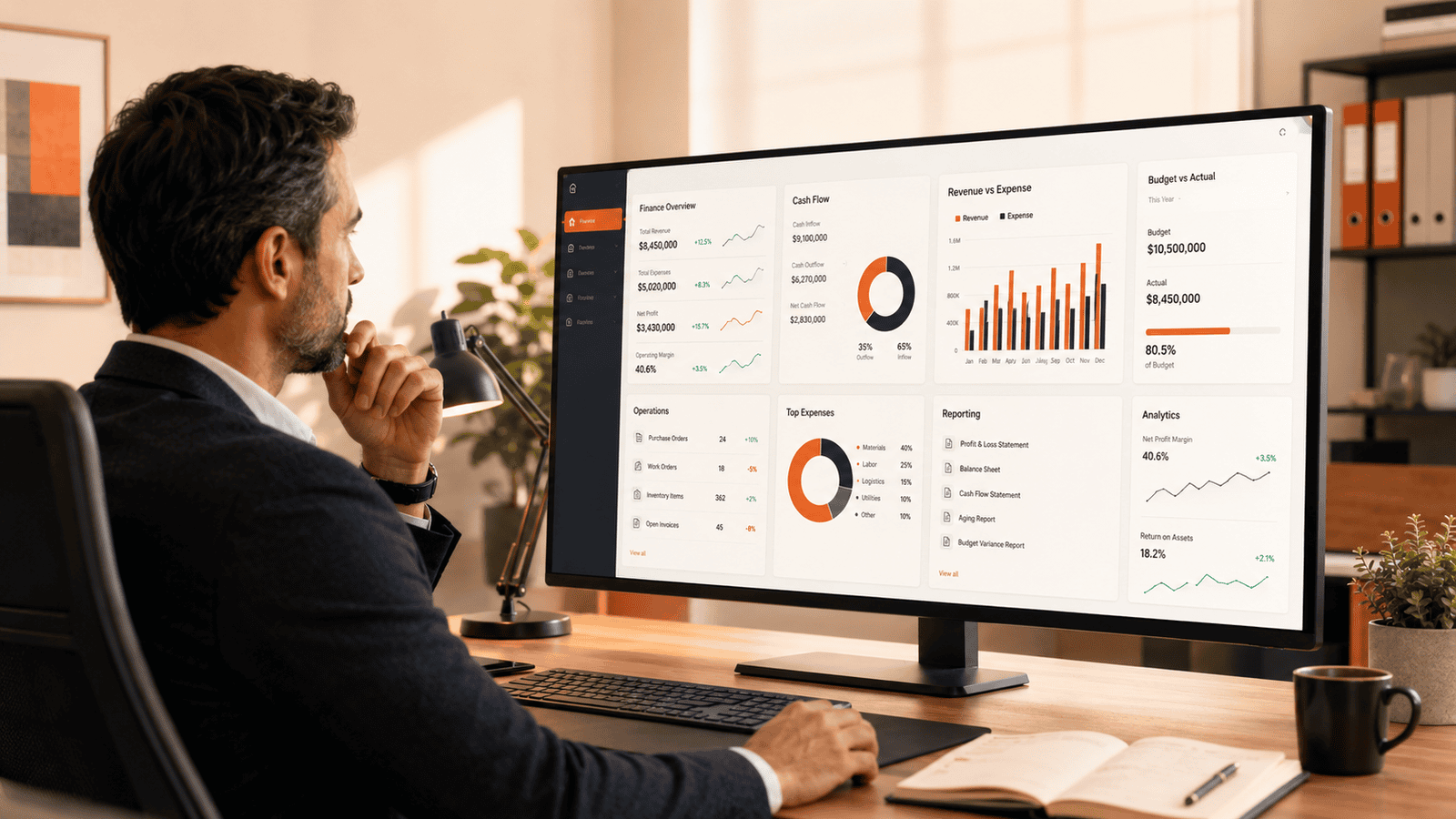
Enterprise resource planning systems that bring finance, inventory, and operations data into one place — built around how your business actually runs.
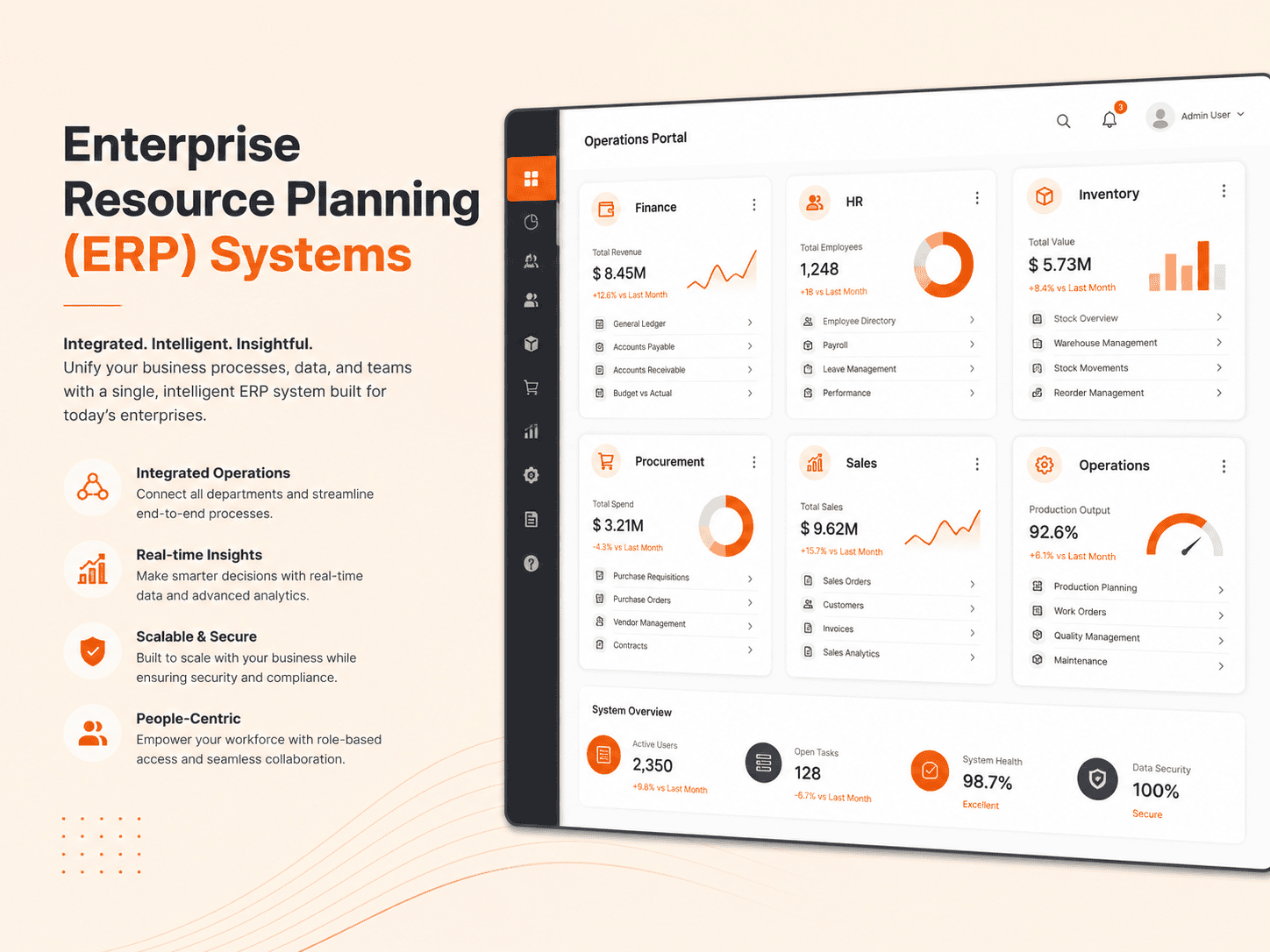
Enterprise Resource Planning (ERP) Systems digitallyscaled
35+
ERP Deployments
96%
Client Satisfaction
8–14 wks
Avg. Rollout Time
24/7
Support
Overview

Why ERP systems genuinely need to connect every part of the business, not just centralize data

ERP implementations that succeed purely at centralizing data into one system, without genuine attention to how different departments actually need to work with that data day to day, often produce a technically unified but practically frustrating experience. We build ERP systems focused on genuine cross-departmental workflow, ensuring finance, operations, and other teams each get an experience that actually fits how they work, connected by shared, accurate underlying data.

Our approach starts with genuine understanding of your current processes across departments, identifying where a unified system will actually add value versus where existing specialized tools already work well and shouldn't be unnecessarily replaced. Data migration receives particular care, since errors introduced during this transition create problems that can take considerable time to fully untangle after go-live. We plan implementation in phases where that genuinely reduces risk, rather than requiring a single disruptive cutover that puts your entire operation at risk simultaneously. Throughout the engagement, we prioritize your team's actual ability to use the system effectively, since even the most technically capable ERP delivers little value if daily users find it genuinely difficult to work with.

What's Included

Everything this solution actually covers

Unified Data Model

Finance, inventory, and operations data structured to work together, not in silos.

Module Configuration

Core modules configured around your actual departments and processes.

System Integration

Clean integration with existing tools rather than a disruptive full replacement.

Reporting Dashboards

Real-time visibility across departments instead of month-end surprises.

Access Control

Permissions structured around roles and departments appropriately.

Ongoing Support

We stay on for updates and support as the system and business evolve.

Our Process

How we get there

01

Discover

We map processes across finance, operations, and inventory before configuration.

02

Design

We design the module structure and data flow around your business.

03

Build & Migrate

We configure the system and migrate data carefully.

04

Launch & Support

We train teams, launch in phases, and support ongoing operation.

Tech We Use

Built on tools that scale with you

OdooNetSuitePostgreSQLREST API
Recent Work

A few projects we’ve shipped recently

Brightmoor Industries
Manufacturing

Brightmoor Industries

An ERP rollout that connected production data to financial reporting for the first time.

View Case Study
Calderwood Distribution
Distribution

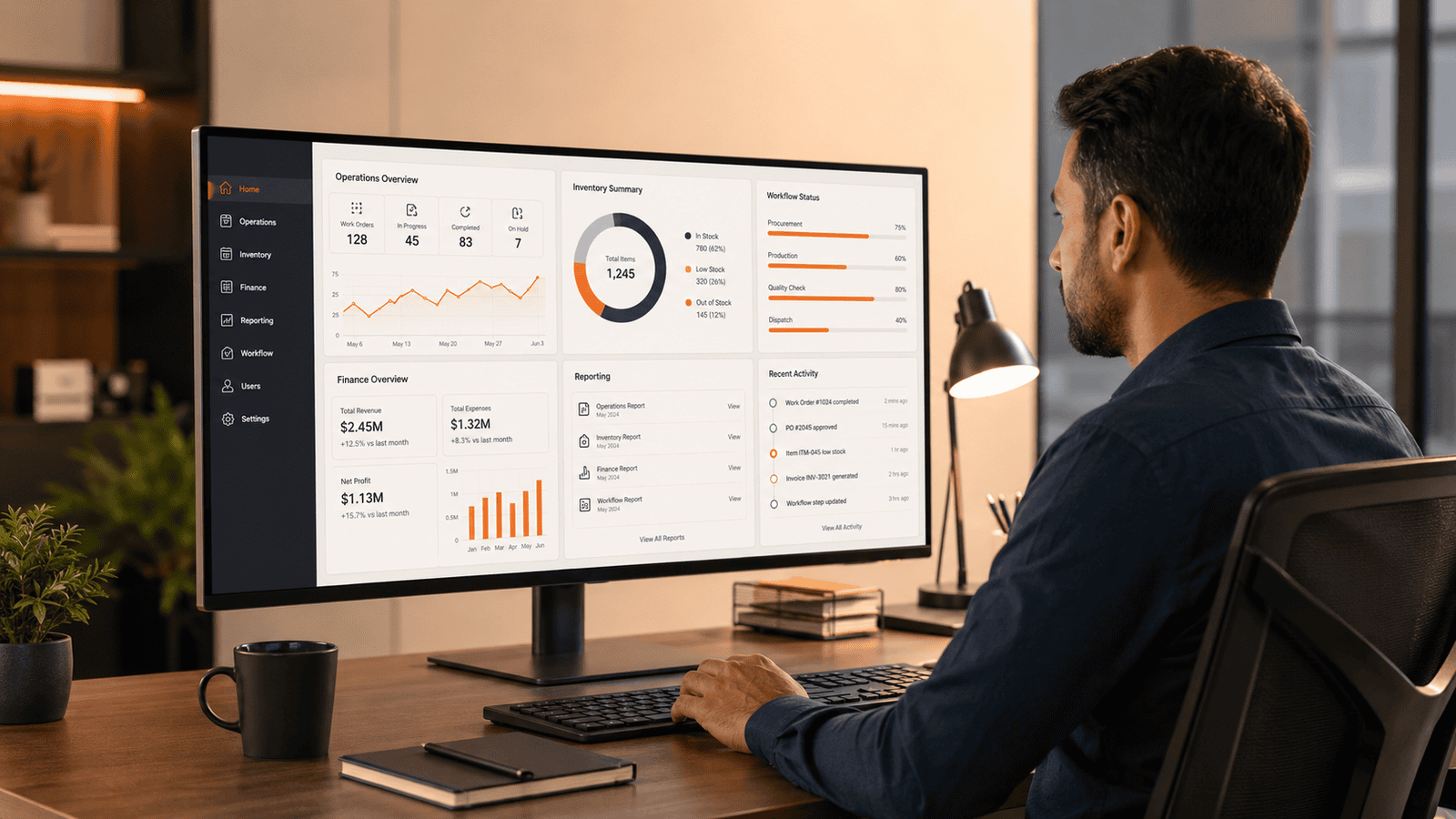
Calderwood Distribution

A phased ERP implementation that avoided disrupting daily operations during rollout.

View Case Study
Dunfield Retail Group
Retail

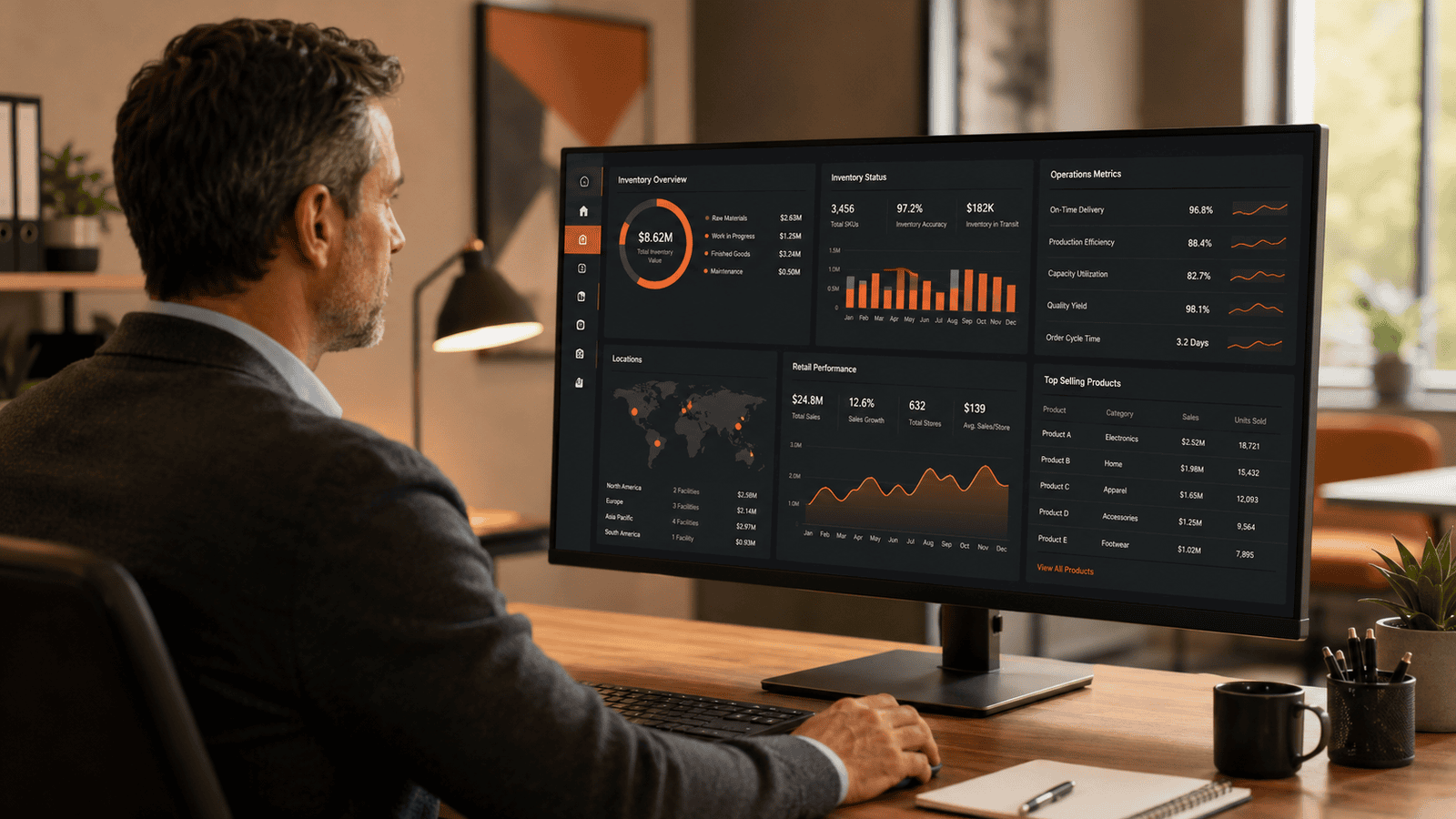
Dunfield Retail Group

An ERP system that unified inventory across multiple retail locations.

View Case Study
Elderbrook Advisors
Professional Services

Elderbrook Advisors

A finance-focused ERP setup that cut month-end close time significantly.

View Case Study
Testimonial

What clients say

“I was skeptical at first, honestly. But -48% downtime within a few months, and the process to get there was a lot smoother than I expected.”

HP
Hazel Prescott

General Manager, Brightmoor Industries

FAQ

Common questions

What's the difference between ERP and a CRM?

ERP typically covers finance, inventory, and operations, while CRM focuses on sales and customer relationships — many businesses need both, connected.

Can we roll out ERP in phases instead of all at once?

Yes, phased rollouts are common and often reduce disruption to daily operations.

Do you migrate our existing financial data?

Yes, financial data migration is handled carefully to preserve accuracy and historical records.

Which ERP platforms do you work with?

Most commonly Odoo, along with NetSuite and other platforms depending on your scale and needs.

How long does a full ERP implementation take?

Most implementations run 8–14 weeks depending on the number of departments and modules involved.

Which ERP platforms do you work with?

We most commonly work with Odoo, along with other established platforms depending on your specific industry and scale requirements.

How do you avoid the common ERP implementation overruns?

Thorough upfront discovery and a phased rollout, rather than a single all-at-once cutover, are the two biggest factors in keeping ERP projects on track.

Can you migrate data from our current systems?

Yes, data migration and cleanup from legacy or disconnected systems is a core part of any ERP implementation we run.

Can we implement this in phases rather than all at once?

Yes, phased implementation reducing risk compared to a single disruptive cutover is a common and sensible approach.

Do you provide ongoing support after go-live?

Yes, ongoing support helps your team as questions arise and needs continue evolving after the initial implementation.

Can we integrate this with our existing accounting software?

Yes, integration with existing accounting software keeps financial data flowing accurately without manual re-entry.

Do you provide training for staff across different departments?

Yes, training tailored to how each department will actually use the system is part of our implementation process.

Can this support multiple business locations or entities?

Yes, multi-entity and multi-location support is a core capability for growing businesses.

Can we customize workflows for different departments?

Yes, department-specific workflow customization reflects how your business genuinely operates across teams.

Can this integrate with third-party logistics or shipping providers?

Yes, integration with third-party logistics and shipping providers keeps fulfillment data connected to the broader ERP system.

Do you provide ongoing system updates and maintenance?

Yes, ongoing maintenance helps ensure the system continues working reliably as your business and needs evolve.

Can this support multi-currency transactions for international operations?

Yes, multi-currency support accommodates businesses genuinely operating across international markets.

Can this support custom reporting beyond standard templates?

Yes, custom reporting tailored to your specific metrics is available beyond standard templates.

Do you provide ongoing support after go-live?

Yes, ongoing support helps your team as questions arise after the initial implementation.

Ready to get started with Enterprise Resource Planning?

Let's talk about your project — no pressure, just a straightforward conversation about what you need.

Book an Appointment

This website stores cookies on your computer. Cookie Policy