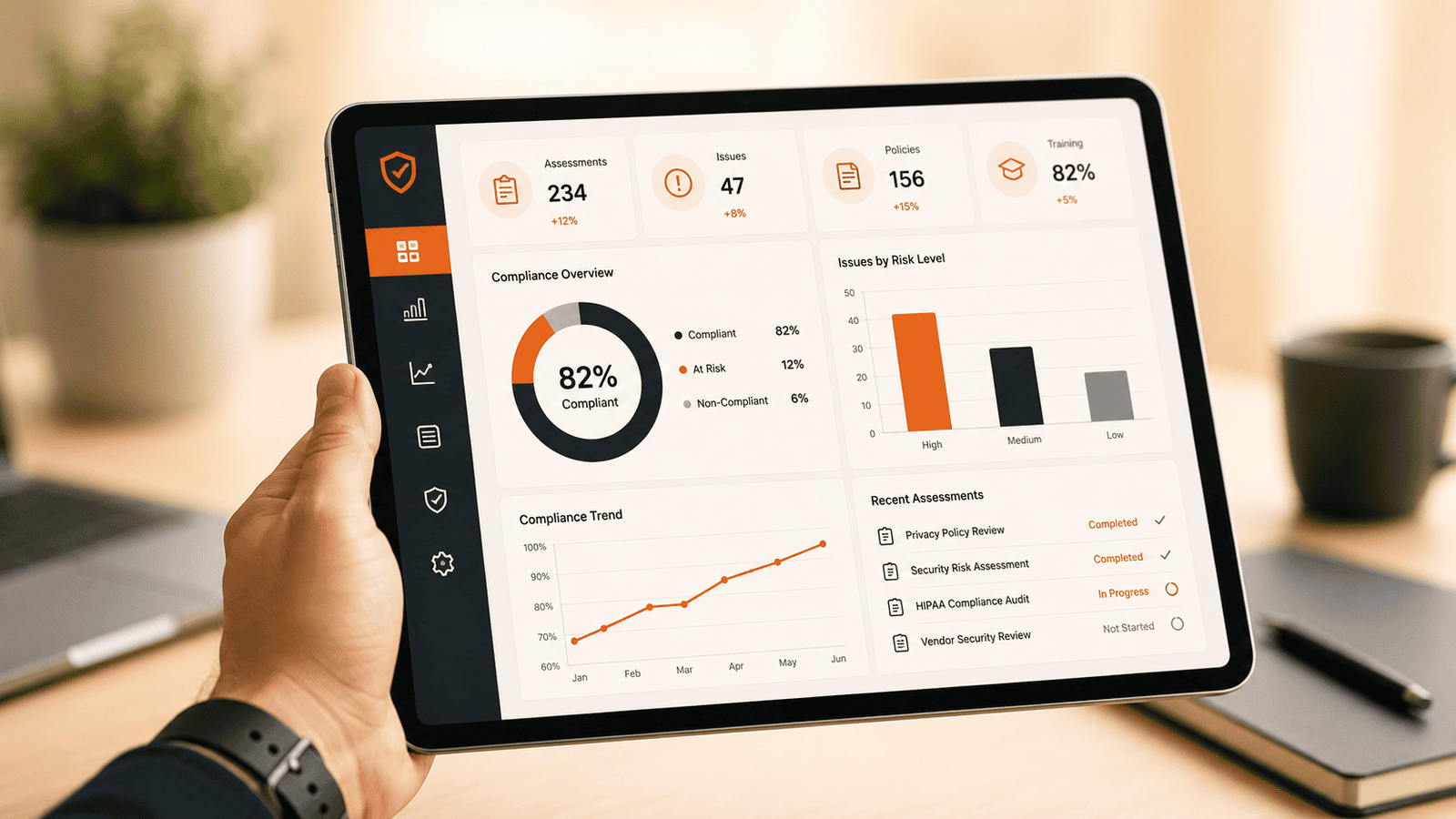


Hospitality booking abandonment gets blamed on price sensitivity by default, when the genuine causes are frequently more specific and considerably more fixable than pure pricing alone.
Unclear Total Pricing Genuinely Drives Late-Stage Abandonment
Guests encountering genuine unexpected fees late in the booking process \— resort fees, taxes revealed only at final checkout \— frequently abandon at this stage, even when the total price would have been genuinely acceptable if shown transparently earlier.
Overly Long or Complicated Forms Genuinely Cause Real Drop-Off
Booking flows requiring genuinely excessive information before confirming core details like dates and room availability create friction that causes guests to abandon before ever reaching the actual payment step.
Mobile Booking Experience Failures Genuinely Compound Abandonment
A genuinely poor mobile booking experience \— difficult date selection, unclear room comparison \— disproportionately affects abandonment given how much genuine hospitality booking research and completion happens on mobile devices.
What Genuinely Reduces Hospitality Booking Abandonment
Transparent upfront total pricing, streamlined form length, and genuinely strong mobile experience together address the actual specific causes of abandonment more effectively than assuming price alone drives guests away.
Want to reduce booking abandonment with a genuinely optimized flow? Hospitality Solutions
How to Identify Your Genuine Specific Abandonment Point in the Booking Flow
Analyzing genuine step-by-step drop-off data reveals precisely where guests abandon, distinguishing between price-related abandonment at final checkout versus form-friction abandonment earlier in the process, each requiring genuinely different fixes.
This diagnostic precision matters because addressing pricing transparency won't fix a genuine form-length problem, and streamlining forms won't address genuine pricing surprise issues, making accurate identification of the actual specific abandonment cause essential before attempting fixes.
Why Room Comparison Clarity Genuinely Affects Booking Completion
Guests genuinely struggling to understand differences between room types or rate options sometimes abandon rather than risk choosing incorrectly, making clear, genuinely well-organized room comparison a meaningful factor in completion rates.
How Guest Account Requirements Can Genuinely Create Unnecessary Friction
Requiring genuine account creation before completing a booking adds friction that a guest checkout option would avoid, and this requirement disproportionately causes abandonment among guests who prefer not to commit to an ongoing account relationship.
Why Cancellation Policy Clarity Genuinely Affects Guest Confidence
Guests genuinely uncertain about cancellation terms sometimes hesitate to complete booking, making clear, prominently displayed cancellation policy information a meaningful factor in reducing genuine booking hesitation and abandonment.
A Reasonable Way to Systematically Reduce Booking Abandonment Over Time
Testing genuine specific changes against measured abandonment rate at each identified friction point, rather than making broad simultaneous changes, reveals which specific fixes actually produce measurable genuine improvement.
How Genuine Photo Quality and Room Representation Affect Booking Confidence
Guests genuinely uncertain about what a room actually looks like, due to poor or misleading photos, sometimes abandon rather than book based on unclear expectations, making authentic, high-quality room photography a meaningful factor in completion.
This concern compounds when photos genuinely don't accurately represent the actual room, since even guests who complete booking despite unclear photos may experience genuine post-arrival dissatisfaction that damages review scores and future booking trust.
Why Loading Speed During the Booking Process Genuinely Affects Completion
A genuinely slow-loading booking flow, particularly during date and availability searching, causes real frustration that contributes to abandonment, making booking flow performance optimization a worthwhile technical investment beyond pure design consideration alone.
How Genuine Comparison Shopping Behavior Affects Direct Booking Completion
Guests genuinely comparing your direct booking against third-party platforms mid-process sometimes abandon to complete booking elsewhere, making a genuinely compelling direct-booking value proposition important for reducing this comparison-driven abandonment.
Why Trust Signals During Payment Genuinely Reduce Final-Step Abandonment
Visible genuine security badges and clear payment information handling explanation reduce hesitation at the final, most sensitive step of the booking process where guests are genuinely providing payment information.
A Reasonable Way to Prioritize Which Booking Flow Improvements to Make First
Focusing on the genuine highest-volume abandonment point first, rather than addressing every possible friction point simultaneously, produces measurable improvement more efficiently than a scattered, unfocused improvement approach.
How Genuine Upsell Timing Affects Whether Guests Complete or Abandon
Presenting genuine room upgrades or add-on offers at the wrong moment in the booking flow can create friction that contributes to abandonment, making thoughtful upsell timing a worthwhile consideration alongside pure pricing strategy.
Why Genuine Multi-Room or Group Booking Complexity Deserves Dedicated Attention
Guests genuinely booking multiple rooms or coordinating group stays face booking flow complexity that a standard single-room booking flow doesn't handle well, making dedicated group booking functionality worth genuine consideration.
How Genuine Language and Currency Options Affect International Guest Completion
International guests genuinely encountering booking flows without their preferred language or currency display face additional friction that can meaningfully contribute to abandonment among this valuable guest segment.
Why Genuine Special Request Handling Affects Guest Confidence in Booking
Guests genuinely wanting to communicate special requests during booking, without a clear way to do so, may hesitate to complete booking, making accommodation for special request communication worth genuine consideration.
Key Takeaways
- Unexpected fees revealed late in booking frequently cause abandonment even when total price would have been acceptable upfront.
- Overly long forms requiring excessive information before core booking details create friction causing early abandonment.
- Poor mobile booking experience disproportionately affects abandonment given how much booking happens on mobile devices.
- Step-by-step drop-off data reveals the genuine specific abandonment point, distinguishing pricing issues from form friction.
- Clear, prominent cancellation policy information reduces genuine booking hesitation and improves completion rates.
Frequently Asked Questions
Is price always the main reason guests abandon a booking?
Not necessarily — unclear late-stage pricing, long forms, and poor mobile experience often matter as much or more.
Does mobile experience genuinely affect hospitality booking abandonment?
Yes, significantly — poor mobile experience disproportionately affects abandonment given how much booking happens on mobile.
Should we require account creation for booking completion?
Generally avoid requiring it — a guest checkout option reduces friction for guests preferring not to commit to an account.
How do we identify our genuine specific abandonment cause?
Analyzing step-by-step drop-off data reveals precisely where guests abandon and what specific friction is involved.
Does cancellation policy clarity affect booking completion?
Yes — clear, prominent cancellation information reduces guest hesitation and improves completion rates.
Does room photo quality affect booking completion?
Yes — unclear or misleading photos create booking uncertainty that can lead to abandonment.
Does booking flow loading speed matter for completion rates?
Yes — slow loading during search causes real frustration that contributes to abandonment.
Do guests compare direct booking against third-party platforms mid-process?
Yes, often — a compelling direct-booking value proposition helps reduce this comparison-driven abandonment.
Do trust signals during payment reduce abandonment?
Yes — visible security badges reduce hesitation at this sensitive final step.
Does upsell timing affect booking abandonment?
Yes — offers presented at the wrong moment can create friction contributing to abandonment.
Does multi-room or group booking need special handling?
Yes — standard single-room booking flows don't handle this complexity well without dedicated functionality.
Do language and currency options affect international guest booking completion?
Yes — missing preferred language or currency creates additional friction contributing to abandonment.
Should guests be able to communicate special requests during booking?
Yes — lacking a clear way to do so can create hesitation that contributes to abandonment.
Does displaying real-time availability accurately affect guest trust?
Yes — inaccurate availability that changes unexpectedly during booking damages genuine guest confidence.
Should loyalty program benefits be visible during the booking process?
Yes, when applicable — visible benefits can encourage completion among genuinely loyal returning guests.
Should we test the booking flow across different devices regularly?
Yes — regular cross-device testing catches genuine friction points that might otherwise go unnoticed.
Does displaying genuine guest reviews during booking affect completion?
Yes — visible authentic reviews can reduce uncertainty and increase confidence in completing the booking.
Should the booking flow clearly show what happens after payment is submitted?
Yes — clarity about next steps reduces genuine post-submission anxiety and builds confidence.
Should we offer a save-for-later option during the booking process?
Yes, when feasible — this can recapture guests who need more time without losing their progress entirely.
Should we track abandonment separately by device type?
Yes — device-specific tracking reveals whether certain platforms need more targeted improvement attention.
Should booking confirmation emails be sent immediately after completion?
Yes — immediate confirmation reassures guests and reduces genuine post-booking anxiety.
Should we offer live chat support during the booking process?
Yes, when feasible — real-time help can resolve hesitation before it turns into abandonment.
Should we A/B test different checkout button text and placement?
Yes — small wording and placement changes can genuinely affect completion rates measurably.
Should the booking flow indicate estimated remaining steps?
Yes — showing progress helps guests understand how much of the process remains, reducing uncertainty.
Does displaying total nights and dates clearly throughout matter?
Yes — constant clarity prevents guests from second-guessing their selections mid-process.
Should guests be able to easily edit their selections before final confirmation?
Yes — easy editing without restarting the process reduces frustration that could otherwise lead to abandonment.