
Computer vision is genuinely powerful for some problems and a poor fit for others. Here's how to tell the difference before committing budget to a project.
Where It Genuinely Excels
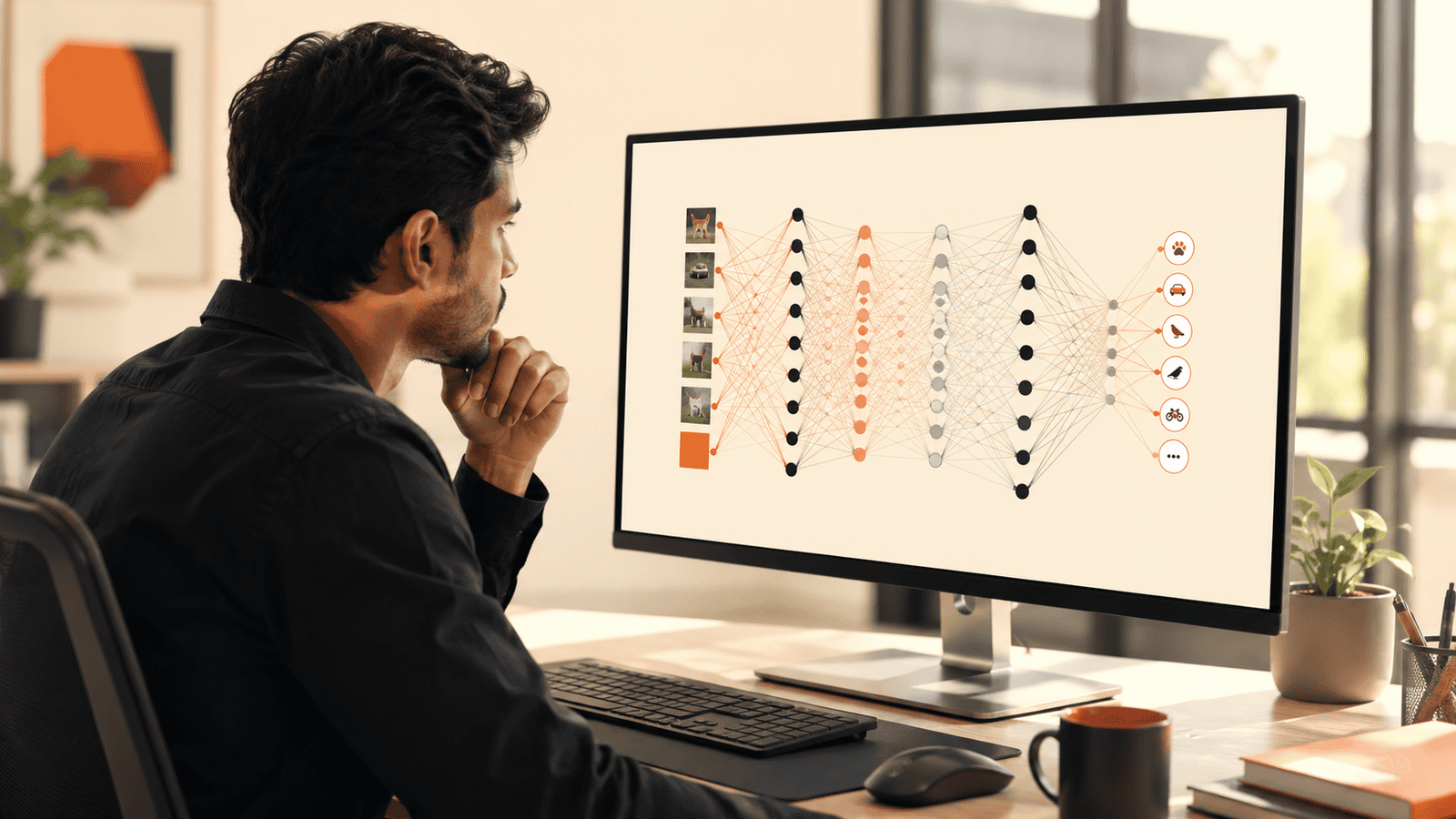
Well-defined visual detection tasks — spotting a specific defect, counting inventory, recognizing whether a safety procedure was followed — are exactly where computer vision consistently performs well in production. The common thread is a narrow, clearly defined visual target: the system needs to recognize one specific thing reliably, not understand a scene broadly the way a human would.
Where It Struggles More Than People Expect
Highly variable conditions — inconsistent lighting, unusual angles, cluttered backgrounds — remain a genuine challenge, and demo-quality accuracy under controlled conditions doesn't always translate to messy real-world environments. A model trained on well-lit sample images can perform noticeably worse on a dim warehouse floor at 6am than it did in testing, and that gap often only becomes visible after deployment.
The Data Requirement People Underestimate
A reliable vision model typically needs meaningfully more labeled real-world examples than most teams initially budget for, especially covering edge cases and unusual conditions. It's not enough to have thousands of images of the normal case — the model also needs examples of the unusual cases it'll eventually encounter, which are by definition harder to collect in volume.
How Accuracy Requirements Should Shape the Project
A vision system used to flag items for human review can tolerate more error than one making fully automated decisions with no human check. Being explicit about the acceptable error rate, and designing human review into the workflow where the cost of a mistake is high, is often a better path than chasing marginal accuracy improvements on a fully automated system.
Considering computer vision for a real use case? Computer Vision Solutions
A Reasonable Way to Pilot It
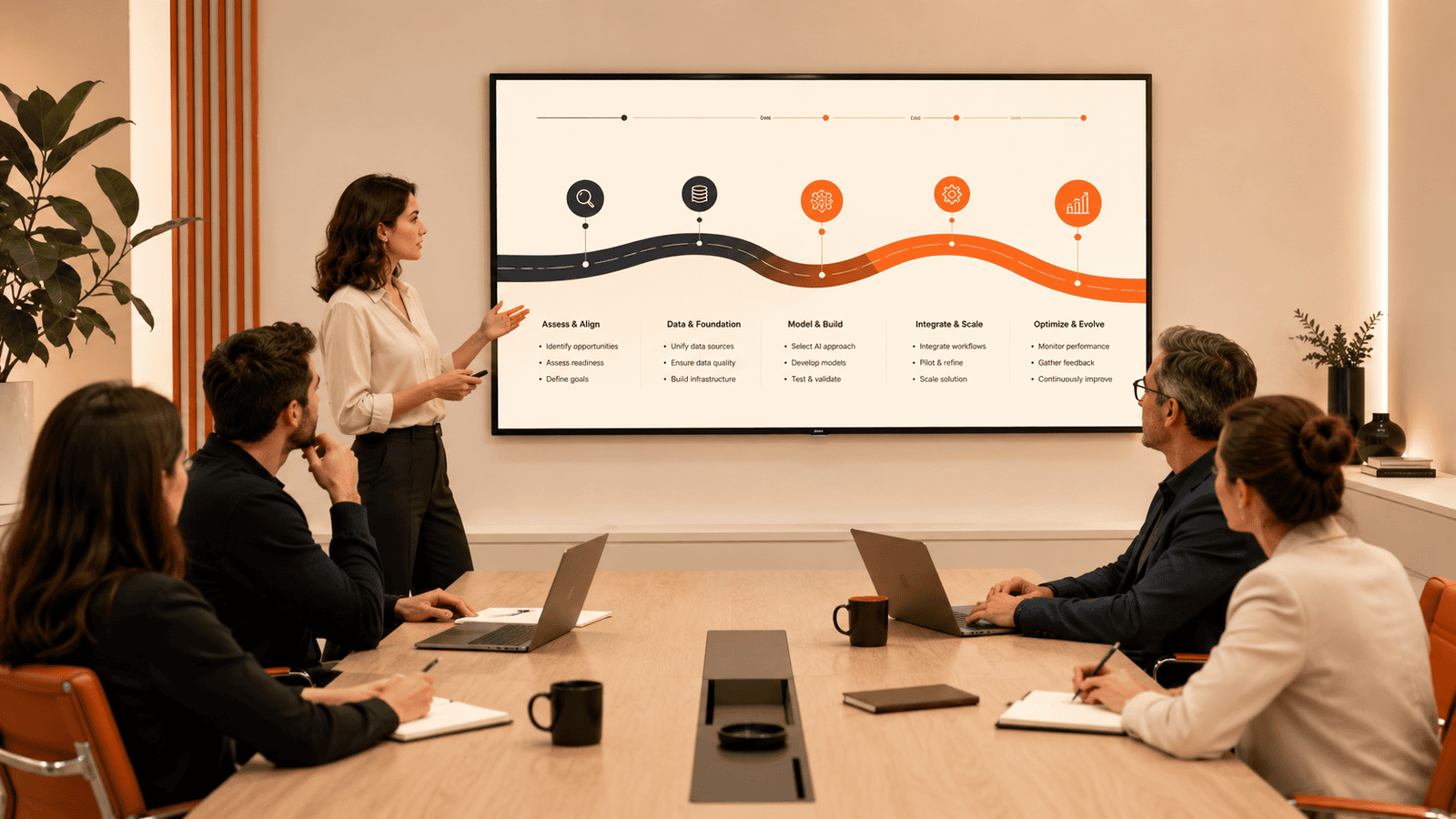
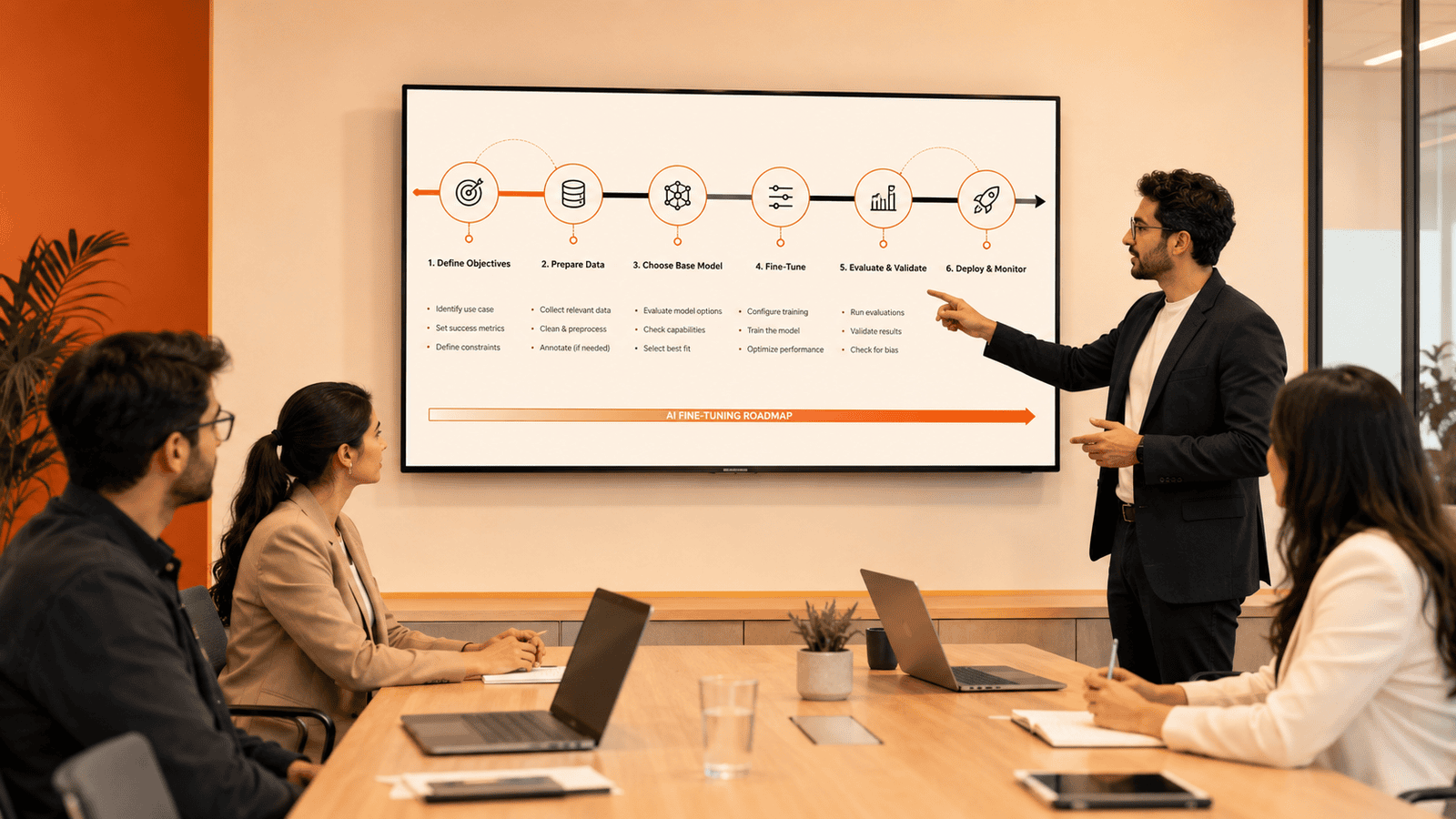
Start with a narrow, well-defined detection task in a controlled environment before expanding scope — it's a much lower-risk way to learn whether vision is actually the right tool for your broader problem. A successful narrow pilot also generates real production data that makes expanding scope later meaningfully easier than starting broad from day one.
How Model Retraining Fits Into Long-Term Vision Projects
A vision model's accuracy in production tends to drift over time as real-world conditions shift — new product packaging, seasonal lighting changes, a camera that gets repositioned. Budgeting for periodic retraining, not just an initial build, is part of realistically planning a computer vision project rather than treating deployment as the finish line.
Teams that skip this ongoing investment often see a vision system that performed well at launch quietly degrade over the following year, without a clear trigger point at which anyone notices the decline until it's already become a real problem.
Choosing Between Edge and Cloud Processing
Where a vision model actually runs — on a local device versus in the cloud — involves a real tradeoff between latency and infrastructure complexity. Edge deployment reduces latency and works without a constant network connection, but adds complexity in managing model updates across distributed devices. Cloud processing simplifies updates but introduces network latency that may not be acceptable for time-sensitive use cases like safety monitoring.
How to Validate a Vendor's Vision Model Claims
Vendor-reported accuracy figures for computer vision products are often measured under favorable, controlled conditions that may not match your actual deployment environment. Requesting a trial period using your own real images and conditions, rather than relying on a vendor's demo footage, is the most reliable way to validate whether claimed accuracy will actually hold up in your specific setting.
Budgeting for the Full Lifecycle, Not Just Initial Deployment
Beyond the initial model training and deployment, ongoing costs include ground-truth labeling for retraining data, camera or hardware maintenance, and periodic model updates as conditions change. Businesses that budget only for the initial build often find the ongoing lifecycle costs, spread over a couple of years, meaningfully exceed the original project estimate.
How to Set Realistic Expectations With Stakeholders
Stakeholders who've seen impressive computer vision demos elsewhere sometimes expect similar performance immediately, without accounting for how much those demos benefited from ideal conditions. Setting expectations early around a phased accuracy improvement, rather than promising demo-level performance from day one in your actual environment, prevents disappointment that isn't really about the technology underperforming.
When a Hybrid Human-AI Approach Makes More Sense Than Full Automation
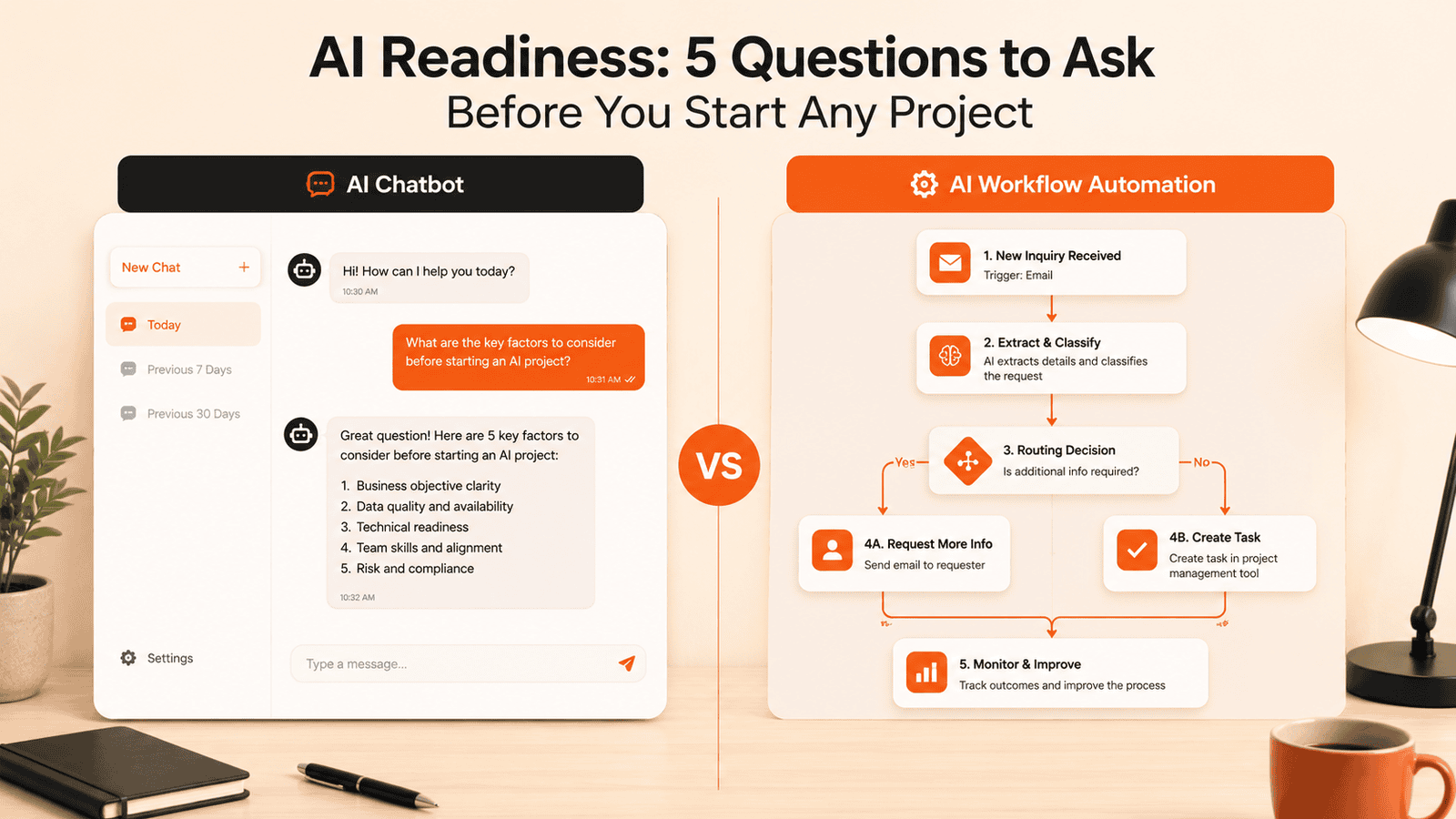
For tasks where errors carry real cost, a hybrid approach — the vision system flags likely cases for a human to quickly confirm, rather than acting autonomously — often delivers most of the efficiency gain with meaningfully lower risk than full automation, especially in the early period after deployment when confidence in the system is still being established.
How to Handle Seasonal or Environmental Variation Over Time
A model trained on data from one season or set of environmental conditions can see real accuracy decline when conditions genuinely change — different lighting in winter versus summer, for example. Planning for periodic re-collection of training data across the full range of conditions your system will actually encounter prevents this predictable seasonal drift from becoming a surprise.
Why Explainability Matters More for Vision Than People Expect
When a vision system flags or rejects something incorrectly, being able to show which part of the image drove that decision helps human reviewers quickly validate or override it, and helps your team diagnose whether a systematic issue is developing. Vision systems built as a pure black box make this diagnostic process meaningfully harder.
A Realistic Path From Pilot to Full Deployment
Expanding a successful narrow pilot to full deployment works best as a gradual process — adding one new camera location or product category at a time, validating performance at each step, rather than a single large expansion that makes it harder to isolate the cause if accuracy drops somewhere in the broader rollout.
Key Takeaways
- Computer vision performs best on narrow, well-defined visual detection tasks rather than broad scene understanding.
- Real-world conditions — lighting, angles, clutter — often degrade accuracy compared to controlled testing environments.
- Reliable models need real-world edge case examples, not just volume of normal-case training images.
- Human review workflows for high-cost errors are often more practical than chasing full automation from the start.
Frequently Asked Questions
How much data do we need to get started?
It depends on task complexity, but a few thousand well-labeled, representative images covering both normal and edge cases is a reasonable starting point for most narrow detection tasks.
Can computer vision work with our existing security or industrial cameras?
Often yes, though camera quality, angle, and lighting need to be assessed — not every existing camera setup is adequate for reliable detection.
How do we know if our accuracy is good enough to deploy?
Define an acceptable error rate based on the real cost of a mistake before deployment, then validate against that threshold rather than chasing the highest possible accuracy in isolation.
Does a vision model need ongoing maintenance after deployment?
Yes — accuracy tends to drift as real-world conditions change, so budgeting for periodic retraining is part of realistic long-term planning, not just the initial build.
Should our vision model run on-device or in the cloud?
It depends on your latency needs and connectivity — edge deployment reduces latency but adds device management complexity, while cloud processing is simpler to update but introduces network delay.
Should we trust a vendor's reported accuracy numbers?
Request a trial using your own real images and conditions rather than relying on vendor demo footage, since reported figures are often measured under favorable conditions.
What ongoing costs should we budget for beyond initial deployment?
Ground-truth labeling for retraining, hardware maintenance, and periodic model updates all add up over time and are worth budgeting for beyond the initial build.
How do we set realistic expectations if stakeholders have seen impressive demos elsewhere?
Set expectations early around phased accuracy improvement rather than promising demo-level performance immediately in your actual, less controlled environment.
Is a hybrid human-AI approach ever better than full automation?
Yes, for tasks where errors carry real cost, having the system flag likely cases for quick human confirmation often delivers most of the efficiency gain with meaningfully lower risk.
Does computer vision accuracy change with seasons or environmental shifts?
Yes — lighting and environmental changes can cause real accuracy decline, so planning for periodic training data re-collection across seasons helps prevent this drift.
Why does explainability matter for a vision system specifically?
Being able to show which part of an image drove a decision helps human reviewers validate or override it, and helps diagnose systematic issues as they develop.
Can computer vision be combined with other AI approaches, like NLP?
Yes — combining vision with natural language processing is increasingly common for tasks like automatically generating descriptions of what a vision system detects.
How do we know when it's time to retrain a deployed vision model?
A steady decline in confidence scores or a rising rate of human overrides on flagged cases are both reliable signals that retraining is due.