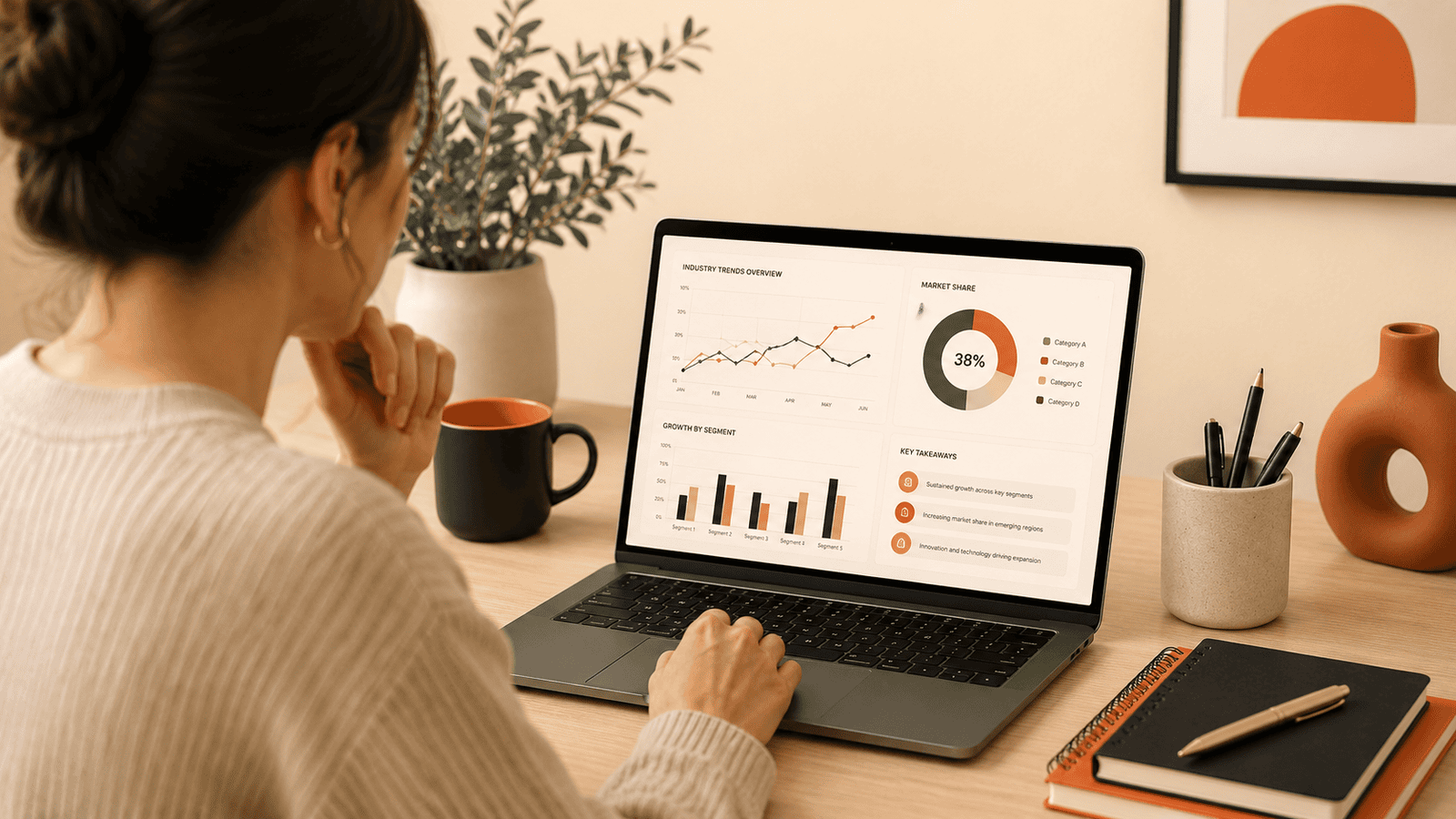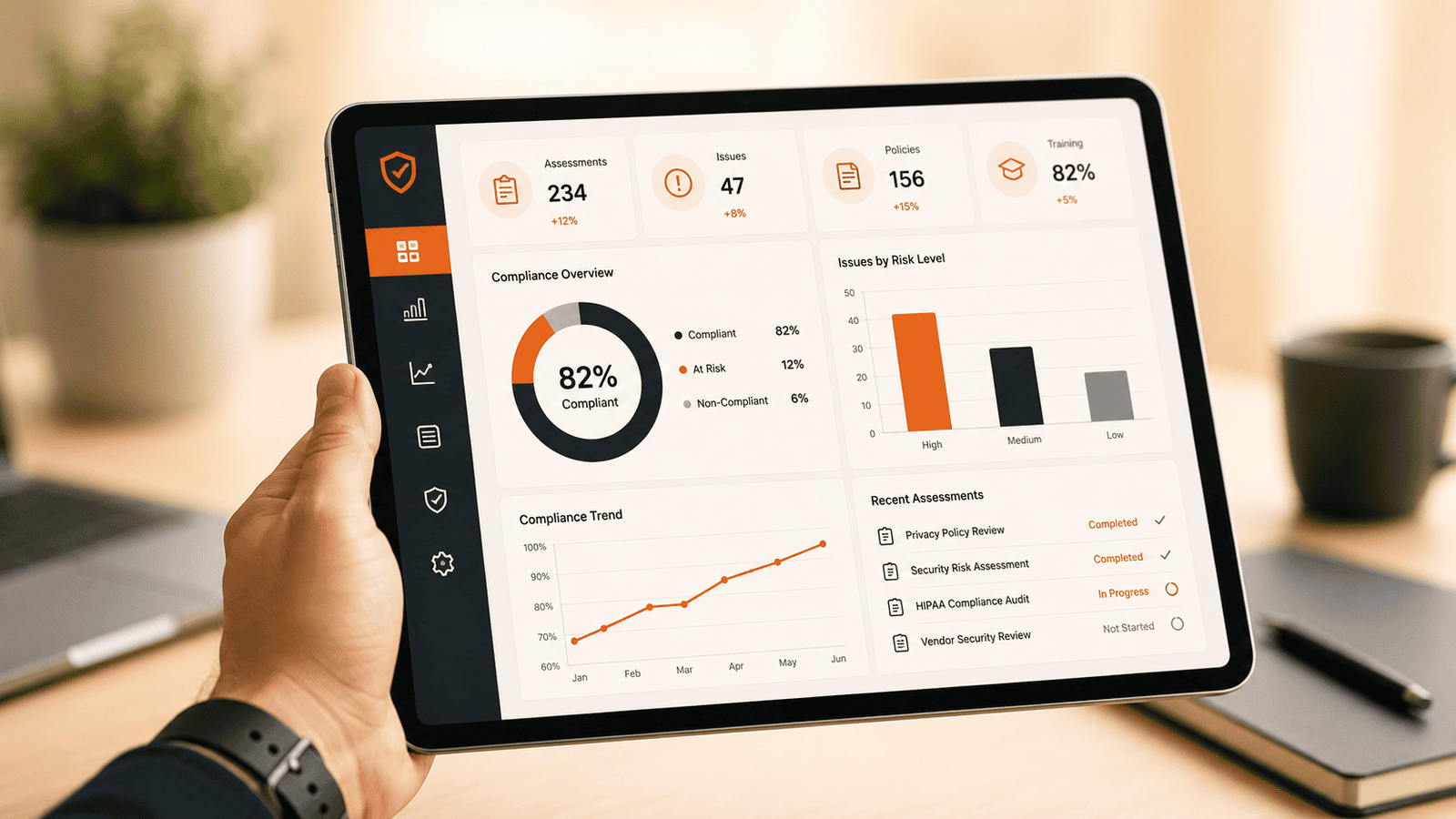


Manufacturing has long prioritized equipment investment over software. That balance is finally starting to shift, and here's why, based on what we're actually seeing across recent projects.
The Historical Imbalance
Capital budgets in manufacturing have traditionally favored physical equipment, with software treated as a secondary concern — often whatever came bundled with a machine, rather than a deliberate choice. This made sense when equipment was the clear bottleneck to output, but it left a lot of manufacturers with a patchwork of disconnected, vendor-specific software that was never designed to work together.
What Changed the Calculation
As labor costs rise and skilled trades become harder to hire, the return on software that improves visibility and reduces manual coordination has become harder to ignore. A manufacturer that can't easily hire another experienced production planner has a much stronger incentive to invest in software that makes existing staff more effective, rather than simply trying to add more headcount to a problem software could solve more sustainably.
Where the Investment Is Actually Going
Production visibility and predictive maintenance tools are seeing the fastest adoption — not because they're trendy, but because unplanned downtime has a very direct, easily calculated cost. A production line down for an unplanned hour has an obvious, quantifiable dollar impact that makes the business case for preventive software investment far easier to justify than more abstract efficiency claims.
The Honest Caveat
Software investment in manufacturing still needs to respect the realities of the shop floor — unreliable connectivity, older equipment, and workers who need something genuinely usable, not just impressive in a demo. Software that looks sophisticated in a boardroom presentation but doesn't account for a noisy, dusty, imperfectly connected production environment tends to fail at adoption regardless of its underlying technical quality.
Curious what this could look like for your operation specifically? Web & AI Solutions for Manufacturing
How Supply Chain Volatility Has Accelerated This Shift
Recent years of supply chain disruption pushed many manufacturers to realize how little real-time visibility they had into their own inventory and supplier status. That painful lack of visibility during a crisis has translated into sustained investment in better tracking and forecasting software, even as acute disruption has eased, because the underlying vulnerability it exposed hasn't gone away.
Why Younger Workforce Expectations Also Play a Role
Newer generations of skilled trade workers, having grown up with more sophisticated consumer technology, increasingly expect a certain baseline of digital tooling in their workplace. Manufacturers competing for scarce skilled labor have found that outdated, purely paper-based or manual processes are becoming a real disadvantage in recruiting and retention, not just an operational inefficiency.
The Difference Between Software Investment and Genuine Digital Transformation
Buying software isn't the same as genuinely transforming how a manufacturing operation runs. Some manufacturers invest in modern tools while still running the underlying process largely unchanged, missing much of the potential value. The manufacturers seeing the biggest returns tend to be the ones willing to actually adjust workflows around what the new software enables, not just layer it on top of an unchanged process.
What a Realistic Software Investment Roadmap Looks Like
Rather than a single large transformation initiative, many manufacturers are finding more success with a sequenced roadmap — starting with the highest-impact, lowest-disruption area like predictive maintenance, then expanding to production planning, then broader ERP integration, allowing the organization to build confidence and internal capability incrementally rather than attempting everything simultaneously.
How Financing Models Have Made Adoption More Accessible
Beyond falling software costs generally, more flexible financing and subscription-based pricing models have reduced the upfront capital commitment historically required for manufacturing software adoption, an important factor for manufacturers used to capital-intensive equipment purchases requiring board-level approval and long depreciation schedules.
The Growing Role of Predictive Analytics Beyond Maintenance
Beyond predictive maintenance specifically, manufacturers are increasingly applying predictive analytics to demand forecasting and quality control, extending the same underlying data infrastructure investment across multiple use cases rather than building separate, disconnected systems for each specific application.
Why Integration Between Shop Floor and Business Systems Has Become a Priority
Historically, shop floor operational data and business-level ERP systems often existed in separate, poorly connected worlds. Growing recognition that production data should inform business planning in near real time, and vice versa, has pushed integration between these previously siloed systems higher on manufacturer investment priorities.
What This Shift Means for Smaller, Family-Owned Manufacturers
Smaller and family-owned manufacturers, historically slower to adopt due to limited capital and dedicated IT resources, are increasingly finding accessible entry points through modular, right-sized software rather than the large enterprise systems historically aimed primarily at bigger operations, narrowing a technology gap that used to favor larger competitors disproportionately.
How Sustainability Reporting Requirements Are Adding to the Case
Growing customer and regulatory expectations around sustainability reporting require manufacturers to track energy usage, waste, and emissions data with a precision that manual processes struggle to provide consistently. This emerging requirement has become an additional, less obvious driver of software investment beyond the traditional efficiency and cost arguments.
Why Some Manufacturers Are Still Hesitant Despite the Trend
Past experience with a failed or disappointing software rollout leaves some manufacturers understandably cautious about investing again, even as the broader trend shifts toward increased adoption. Addressing this hesitation usually requires demonstrating a clear, low-risk starting point rather than asking a burned organization to commit to another large, ambitious initiative immediately.
What the Next Few Years Are Likely to Bring
As AI-driven quality inspection and predictive analytics tools continue to mature and become more accessible in cost, adoption among mid-sized manufacturers, not just large enterprises, is expected to accelerate further, narrowing the technology gap that has historically separated smaller operations from larger, better-resourced competitors.
Key Takeaways
- Rising labor costs and hiring difficulty have made software investment increasingly compelling relative to historical equipment-first priorities.
- Predictive maintenance and production visibility lead adoption due to their easily calculated, direct cost impact.
- Software must be designed for real shop-floor conditions — connectivity, noise, older equipment — not just boardroom demos.
- Supply chain disruption exposed visibility gaps that continue driving sustained investment even after acute crises ease.
- Genuine value requires adjusting workflows around new software, not just layering tools onto an unchanged process.
Frequently Asked Questions
Where should a manufacturer just starting this journey focus first?
Predictive maintenance or basic production visibility tend to offer the fastest, most easily justified return for manufacturers early in their software investment journey.
How do we get shop floor buy-in for new software?
Involving floor-level staff in evaluating and testing tools before full rollout, rather than presenting a finished decision, significantly improves adoption.
Is this kind of investment realistic for smaller manufacturers, not just large ones?
Yes — modern software has become considerably more accessible in cost, making meaningful investment realistic even for smaller manufacturing operations.
How do we handle older equipment that wasn't designed for modern integration?
Retrofit sensors and middleware solutions exist specifically to bridge older equipment with modern software, avoiding the need for full equipment replacement.
What's a realistic timeline to see real return on this kind of investment?
Predictive maintenance and visibility tools often show measurable impact within a few months; broader transformation initiatives typically take a year or more to fully realize their value.
Has software become more financially accessible for manufacturers recently?
Yes — flexible subscription and financing models have reduced the upfront capital commitment that traditionally made adoption harder to justify.
Is this shift benefiting smaller manufacturers as much as larger ones?
Increasingly yes — modular, right-sized software options are narrowing a technology gap that historically favored larger, better-resourced competitors.
Are sustainability reporting requirements really driving software investment?
Increasingly yes — tracking energy, waste, and emissions data with the precision customers and regulators now expect is difficult with manual processes alone.
What if we've had a bad experience with software rollouts before?
Starting with a clear, low-risk, high-confidence project rather than another large ambitious initiative helps rebuild trust in the process gradually.
Are there government incentives supporting this kind of software investment?
In some regions, yes — manufacturing modernization grants or tax incentives exist in various jurisdictions, worth researching as part of the investment case.
How does this trend compare across different manufacturing subsectors?
Adoption speed varies — subsectors with tighter margins or more complex supply chains tend to feel more urgency than those with simpler, more stable operations.
How does this trend interact with broader automation and robotics investment?
Software and robotics investment increasingly go hand in hand, since automated equipment generates data that's most valuable when connected to broader visibility software.
Is workforce training keeping pace with this software investment trend?
Unevenly — training investment often lags software investment, which is part of why change management deserves as much attention as the technology itself.
Does this trend vary significantly by geographic region?
Yes — regions with tighter labor markets or stronger regulatory pressure around reporting tend to show faster adoption than regions without those same pressures.
Are cybersecurity concerns part of this software investment trend too?
Yes — connected shop floor systems introduce new security considerations that manufacturers are increasingly factoring into their software investment planning.