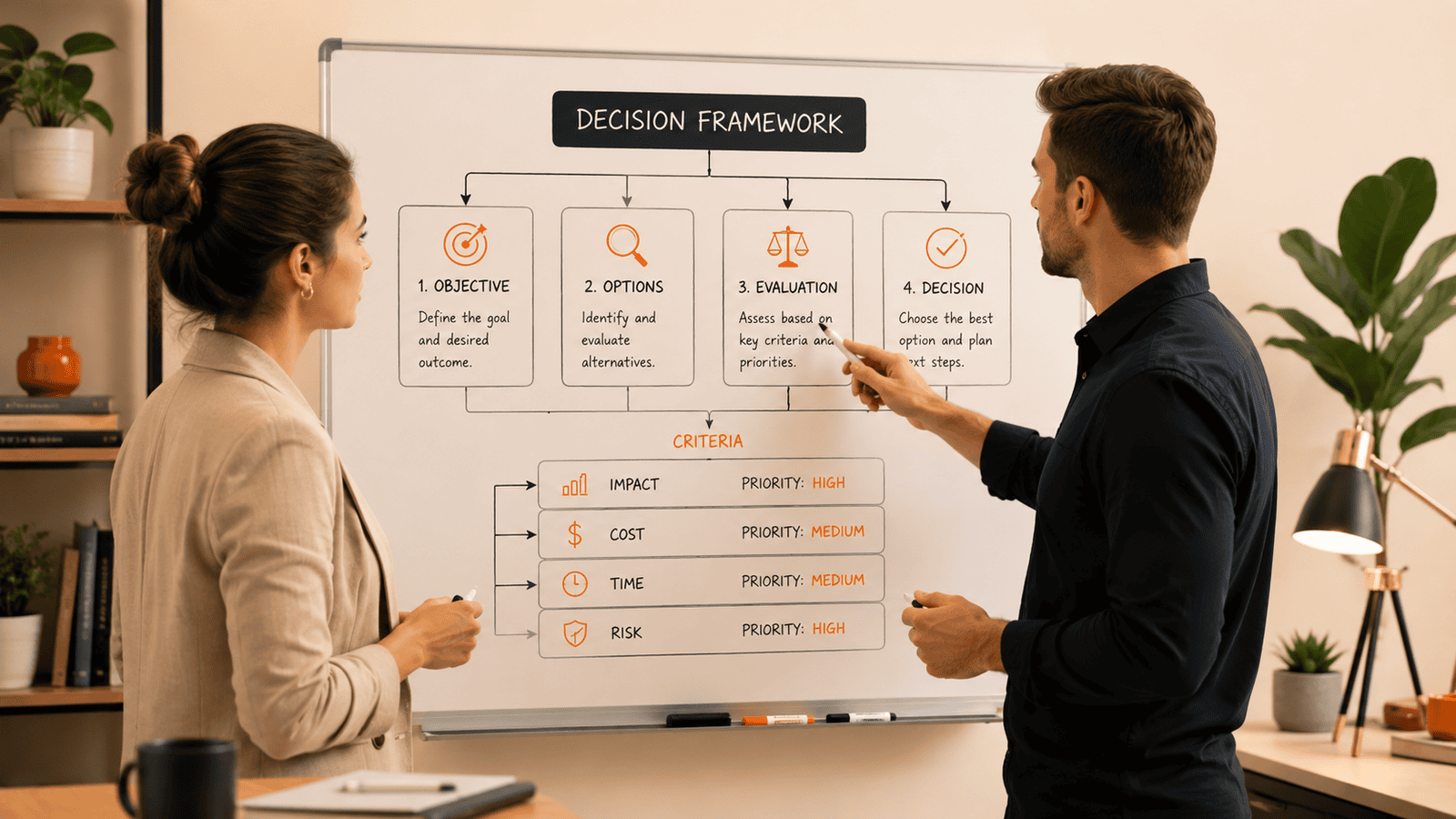


Most vendor evaluation focuses heavily on features and pricing. The questions that actually predict a good long-term relationship usually go unasked until something goes wrong.
Ask About Their Roadmap Process, Not Just Current Features
How a vendor decides what to build next, and how much customer input actually shapes that process, tells you more about long-term fit than their current feature list does. A vendor with a closed, opaque roadmap process can leave you stuck waiting indefinitely for a feature that never quite makes it to the top of their priorities.
Understand Their Actual Support Structure, Not Just the Sales Promise
Ask specifically who handles support tickets, what the real escalation path looks like, and request examples of past incident response, not just the marketing page's support tier descriptions. A support promise that sounds great during sales conversations sometimes reveals real gaps once you're an actual paying customer with an urgent issue.
Check Financial Stability Signals
Funding history, customer base size, and how long they've maintained their current product direction all offer useful signal about whether this vendor will still be around, and still investing in the product, in three years. This matters more than most buyers initially weigh it, particularly for a tool becoming genuinely embedded in critical business processes.
Talk to Actual Current Customers, Not Just Provided References
Vendor-provided references are curated to be positive. Finding independent customers through your own network, or industry forums, gives a much more honest picture of what the ongoing relationship actually looks like beyond the sales pitch.
Evaluating a significant software decision and want a second opinion? About digitally scaled
How to Evaluate Data Ownership and Export Terms Before Signing
Understanding exactly what happens to your data if you ever need to leave — what format it exports in, whether there's a fee, how long you have access after cancellation — deserves real scrutiny before signing, not after you've already decided to switch and discovered the exit terms were less favorable than expected.
A vendor confident in their product's value shouldn't need punitive exit terms to retain customers, and hesitation to clearly answer data portability questions during evaluation is itself a meaningful signal worth weighing.
Why Contract Length Flexibility Deserves More Attention Than It Gets
Vendors offering meaningful discounts for longer contract commitments create real lock-in risk if the relationship doesn't work out as expected, and weighing that discount against the flexibility cost of a shorter initial term is worth doing deliberately rather than defaulting to whatever term offers the best headline price.
How to Assess Whether a Vendor's Culture Actually Fits Your Organization
Beyond product fit, evaluating how a vendor's team communicates during the sales process — responsiveness, transparency about limitations, willingness to say "that's not a good fit for you" — offers a genuine preview of what the ongoing working relationship will actually feel like.
A Reasonable Evaluation Process for a Significant Software Decision
Structuring evaluation around a written scorecard covering roadmap process, support quality, financial stability, data portability, and cultural fit, not just feature checklist and price, produces a more complete picture than the comparison most buyers default to running.
How to Assess a Vendor's Security Posture During Evaluation
Requesting documentation of relevant security certifications and asking specific questions about data encryption, access control, and incident history gives a clearer picture than relying on a vendor's general assurance that security is "a priority" without any concrete backing evidence.
A vendor genuinely confident in their security practices should be able to provide this documentation readily, while hesitation or vague deflection when asked directly is itself a meaningful signal worth weighing seriously in the overall evaluation.
Why Implementation and Onboarding Support Deserves Its Own Evaluation
Beyond the product itself, the quality of implementation support — how much genuine hands-on help you'll get getting the tool actually configured and adopted — significantly affects whether you realize the tool's promised value, making this worth evaluating with the same rigor as core product features.
How to Evaluate a Vendor's Integration Ecosystem Honestly
Rather than trusting a marketing page's list of integrations, testing or verifying that the specific integrations you actually need work reliably in practice, not just that they technically exist, catches gaps between a marketed integration and one that genuinely functions well for your specific use case.
Why Company Size Should Inform How Much Weight Each Factor Gets
Smaller vendors may offer more responsive, personalized support but carry more financial stability risk, while larger vendors offer more stability but sometimes less individualized attention — weighing this tradeoff explicitly against your specific organization's needs and risk tolerance produces a more informed decision.
How to Evaluate a Vendor's Approach to Product Deprecation
Asking how a vendor has historically handled deprecating older features or product versions, including notice periods and migration support provided, reveals how they'll likely handle a similar transition affecting your own usage in the future, a pattern worth understanding before committing.
Why Requesting a Trial Period Reveals More Than Any Sales Presentation
A genuine trial period with your own real data and actual team members attempting real workflows surfaces practical friction that a polished sales demonstration, curated to show the product favorably, simply won't reveal regardless of how thorough that demonstration appears.
How to Weigh a Vendor's Customer Concentration Risk
A vendor heavily dependent on one or two very large customers carries different risk than one with a broadly diversified customer base, since losing a dominant customer could meaningfully affect a concentrated vendor's stability and product investment in ways worth understanding during evaluation.
Why Asking About Product Roadmap Timing Reveals Useful Signal
A vendor who can share reasonably specific upcoming roadmap timing, rather than only vague future promises, demonstrates a level of planning maturity and confidence worth noting as a positive signal during evaluation.
How to Handle Evaluation When Internal Stakeholders Disagree
Structured scoring against the agreed evaluation criteria, rather than purely subjective preference, helps resolve genuine internal disagreement about which vendor to choose in a way that feels fair and defensible to all stakeholders involved.
Key Takeaways
- A vendor's roadmap process and customer input mechanism predict long-term fit better than their current feature list.
- Real support structure, verified through specific questions and past examples, often differs from the sales pitch.
- Financial stability signals matter more for tools becoming genuinely embedded in critical business processes.
- Independent customer conversations, not vendor-provided references, give a more honest picture of the relationship.
- Data portability and exit terms deserve scrutiny before signing, not after deciding you need to leave.
Frequently Asked Questions
How do we find independent customers to talk to, beyond vendor references?
Industry forums, professional networks, and direct outreach to companies you know use the product often surface more candid perspectives than curated references.
Is it reasonable to ask a vendor about their financial stability directly?
Yes — a vendor confident in their stability should be willing to discuss funding history and customer base size when asked professionally.
Should we always negotiate for shorter initial contract terms?
Not always, but weighing the flexibility cost against any longer-term discount deliberately, rather than defaulting to the best headline price, is worth doing.
What's the biggest red flag during vendor evaluation?
Vague or evasive answers about data portability and exit terms often signal a vendor relying on lock-in rather than genuine ongoing value.
How much weight should price carry relative to these other factors?
Price matters, but a cheaper tool with poor support or an unstable vendor often costs more in disruption than a pricier, more reliable alternative.
What security documentation should we request during vendor evaluation?
Relevant certifications and specific answers about encryption, access control, and incident history give a clearer picture than general assurances.
Does implementation support quality matter as much as the product itself?
Yes — support quality significantly affects whether you realize the tool's promised value, deserving equal evaluation rigor.
How do we verify a vendor's claimed integrations actually work well?
Testing or verifying the specific integrations you need function reliably, not just trusting a marketing page's list.
How do we evaluate a vendor's approach to deprecating old features?
Asking about their historical notice periods and migration support reveals how they'll likely handle similar transitions in the future.
Is a trial period more valuable than a sales demonstration?
Yes — a genuine trial with your own data and team surfaces practical friction a curated demo won't reveal.
Does a vendor sharing specific roadmap timing matter?
Yes — specific timing, rather than vague future promises, demonstrates planning maturity worth noting positively.
How do we resolve disagreement among internal stakeholders about vendor choice?
Structured scoring against agreed evaluation criteria helps resolve disagreement in a way that feels fair and defensible.
How long should a reasonable vendor evaluation process take?
For a significant business-critical tool, several weeks to a couple months is reasonable to allow for genuine trial and reference checking.
Should we involve legal review before signing a significant vendor contract?
Yes, generally — legal review of data terms and liability provisions is worth the modest additional time for a business-critical agreement.