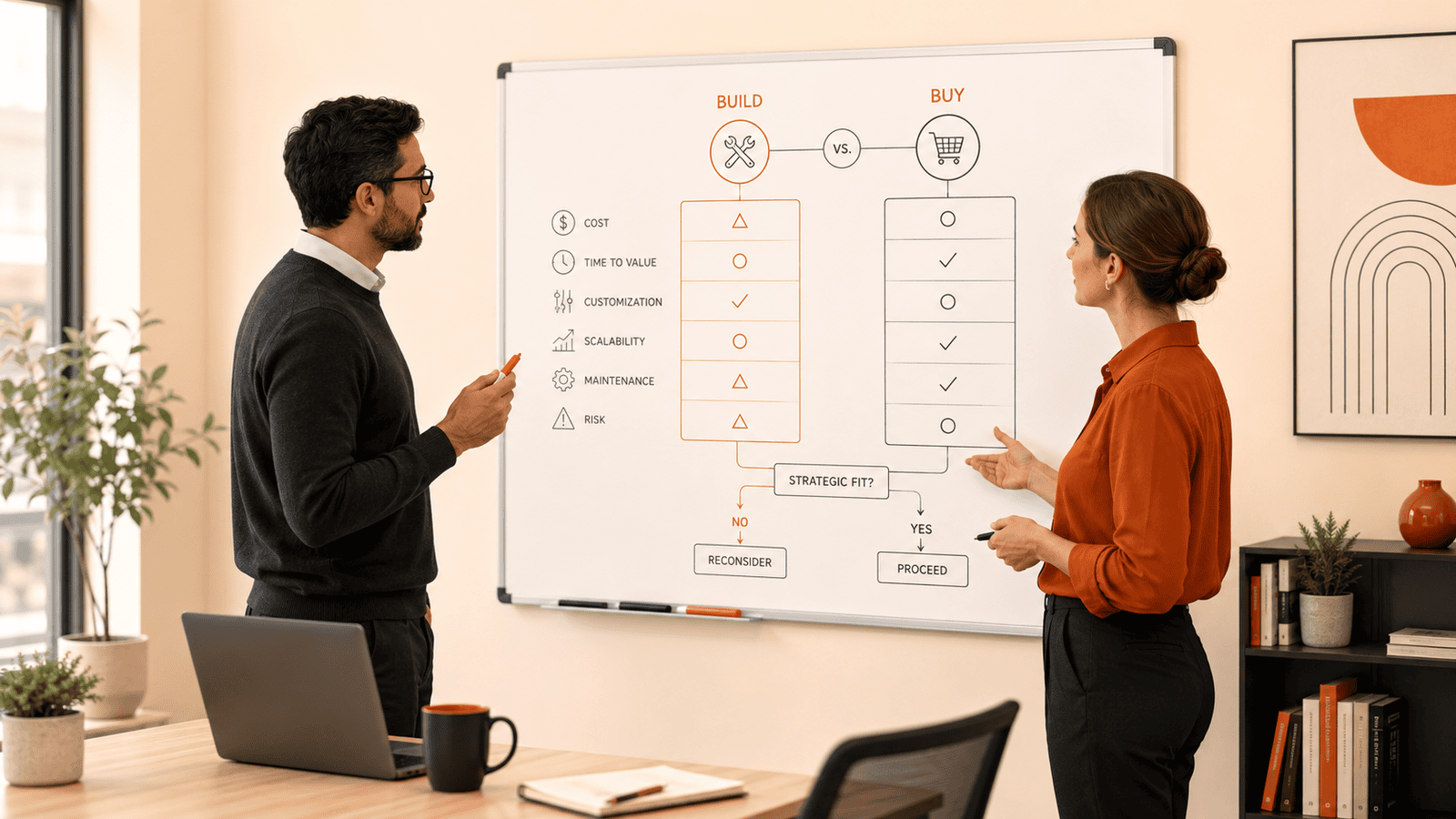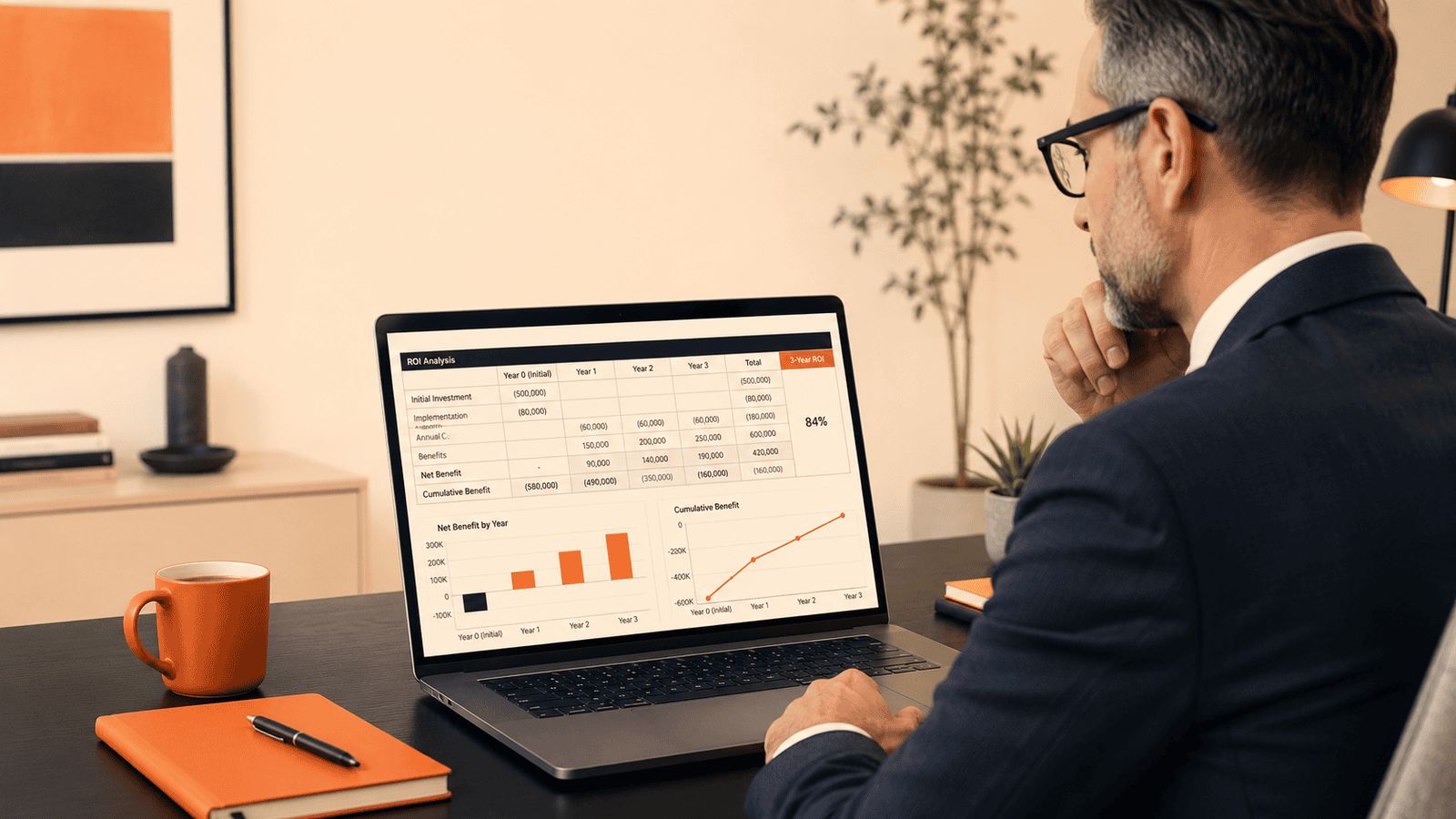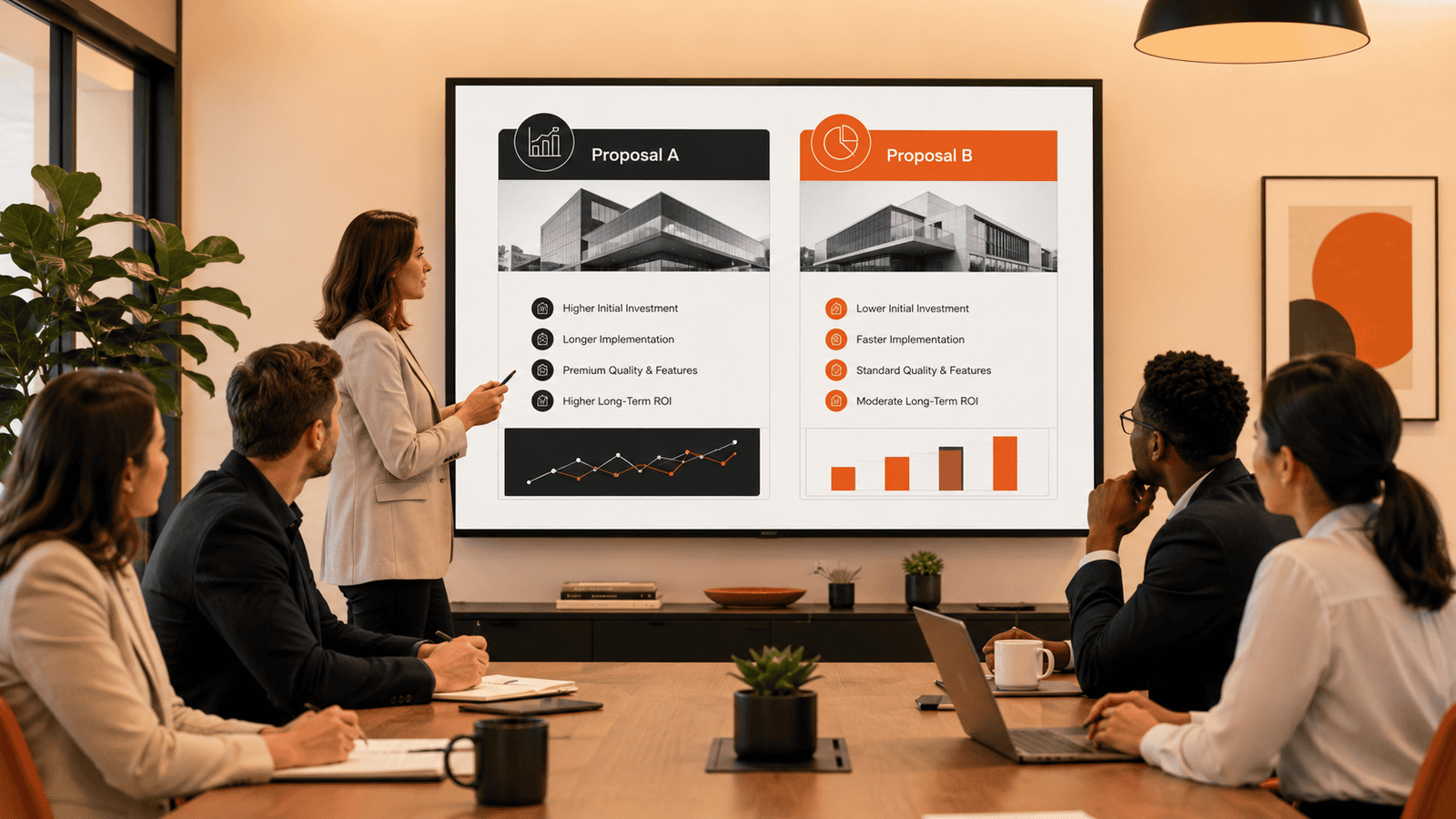


Major technical decisions often get made based on a single vendor's proposal or a single internal team's recommendation, without the deliberate genuine scrutiny a second, independent perspective would provide.
The Original Recommender Has an Inherent Stake in Being Right
A vendor proposing their own solution, or an internal team advocating for their preferred approach, has genuine motivation to present it favorably, which isn't dishonest but does create real blind spots a neutral second opinion can help genuinely surface.
A Second Opinion Doesn't Need to Reach a Different Conclusion to Add Value
Even when a second, independent review confirms the original recommendation, that genuine confirmation itself carries real value — increased confidence going into a significant, costly commitment is worth something even without a changed outcome.
The Right Time for a Second Opinion Is Before Commitment, Not After
Once significant resources are already committed, a second opinion becomes considerably less useful — the real value comes from genuine scrutiny before, not damage control after a decision has already been substantially locked in.
What Makes a Second Opinion Genuinely Valuable
True independence from the original recommendation, and real relevant technical expertise to actually evaluate it critically, both matter — a second opinion from someone without genuine standing to meaningfully evaluate the decision provides little real additional confidence.
Facing a major technical decision and want a genuinely independent second opinion? About digitally scaled
How to Structure a Second Opinion Request for Genuine Value
Providing the reviewer with the full original context and reasoning, not just the final recommendation in isolation, lets them genuinely evaluate whether the underlying logic holds up, rather than simply reacting to a conclusion without understanding how it was actually reached.
Being explicit that you genuinely want honest, critical scrutiny, not simply confirmation of a decision you've already effectively made, sets the right tone for a review that actually adds real value rather than becoming a formality that rubber-stamps a foregone conclusion.
Why Some Decisions Warrant a Second Opinion More Than Others
Decisions involving significant cost, difficult reversal, or genuinely long-term commitment warrant a second opinion more strongly than smaller, easily reversible choices, making this a proportionate practice rather than something applied uniformly to every decision regardless of stakes.
How to Find a Genuinely Qualified, Independent Second Opinion
Someone with real relevant technical expertise but no financial or organizational stake in the outcome offers the most genuinely valuable perspective, which sometimes means looking outside your immediate existing vendor or internal team relationships entirely.
Why Second Opinions Should Be Built Into Standard Process for High-Stakes Decisions
Making a second opinion review a standard, expected step for decisions above a certain cost or complexity threshold, rather than an optional extra that gets skipped under time pressure, ensures this valuable practice genuinely happens consistently.
How to Handle a Second Opinion That Genuinely Conflicts With the Original Recommendation
A genuine conflict between the original recommendation and a second opinion warrants a structured, honest conversation examining the specific reasoning behind each perspective, rather than simply defaulting to whichever opinion feels more comfortable or was heard first in the process.
This conversation works best when it focuses on the underlying reasoning and evidence behind each position, not on defending a predetermined conclusion, since the genuine goal is reaching the best decision, not validating whichever recommendation came first chronologically.
Why Second Opinions Are Particularly Valuable for Decisions Involving Genuine Technical Complexity
Highly technical decisions, where the original recommender's expertise creates a genuine information asymmetry with decision-makers, benefit especially strongly from a second opinion that can translate and critically evaluate technical claims a non-specialist decision-maker couldn't independently assess.
How Much a Second Opinion Should Reasonably Cost Relative to the Decision's Stakes
The reasonable cost of obtaining a genuine second opinion should scale proportionately with the decision's actual stakes — a modest review cost is easily justified relative to a major, difficult-to-reverse commitment, even though the same review cost might not be worthwhile for a smaller, more easily reversible decision.
Why Internal Second Opinions Sometimes Aren't Genuinely Independent Enough
An internal colleague reviewing a decision may share genuine organizational incentives or blind spots with the original recommender, making a truly external second opinion sometimes more valuable despite the additional cost, particularly for the most significant, highest-stakes decisions.
A Reasonable Way to Present Second Opinion Findings to Final Decision-Makers
Presenting both the original recommendation and the second opinion's findings together, with clear reasoning behind any points of agreement or disagreement, gives final decision-makers a genuinely complete picture rather than an artificially simplified single conclusion.
Why Documenting the Second Opinion Process Itself Adds Long-Term Value
Recording not just the second opinion's conclusion but the specific process and criteria used to evaluate the original recommendation creates a genuinely reusable template for future significant decisions, beyond just resolving the current one.
How Second Opinions Should Be Timed Relative to the Original Proposal Process
Seeking a second opinion early enough in the evaluation process, rather than as a final rushed check right before a deadline, gives genuine time for thorough review rather than a hurried, superficial pass that doesn't add real value.
Why Some Vendors Actively Welcome a Second Opinion, and What That Signals
A vendor genuinely confident in their proposal's merit often welcomes independent scrutiny rather than resisting it, and this openness itself offers useful signal about their confidence and transparency worth weighing in the overall vendor evaluation.
Why a Second Opinion Sometimes Reveals Better Questions, Not Just Better Answers
A genuinely valuable second opinion sometimes surfaces important questions the original evaluation never asked at all, which can matter more than simply agreeing or disagreeing with the original recommendation's actual conclusion.
Why Some Organizations Build Standing Relationships With Trusted Second Opinion Providers
Establishing an ongoing relationship with a trusted, independent technical advisor before a major decision arises means genuine second opinions can happen faster and with better context than scrambling to find a qualified reviewer only once a specific decision is already imminent.
Key Takeaways
- The original recommender has an inherent stake in being right, creating real blind spots a neutral perspective can surface.
- A second opinion confirming the original recommendation still adds genuine value through increased confidence.
- Second opinions matter most before significant commitment, not after resources have already been substantially spent.
- Genuine independence and real relevant expertise both matter for a second opinion to provide meaningful additional confidence.
- Decisions involving significant cost or difficult reversal warrant a second opinion more strongly than smaller, reversible choices.
Frequently Asked Questions
Does a second opinion only add value if it disagrees with the original?
No — even confirmation adds genuine value through increased confidence before committing significant resources to a decision.
When is the right time to seek a second opinion?
Before significant commitment, not after — once resources are already spent, a second opinion becomes considerably less useful.
What makes a second opinion genuinely valuable versus just a formality?
True independence from the original recommendation, combined with real relevant expertise to evaluate it critically.
Which decisions warrant a second opinion most strongly?
Those involving significant cost, difficult reversal, or genuinely long-term commitment warrant it more than smaller, reversible choices.
Should second opinions be a standard process step for high-stakes decisions?
Yes — making it a standard, expected step rather than an optional extra ensures it happens consistently when it matters most.
What if a second opinion genuinely conflicts with the original recommendation?
A structured, honest conversation examining the specific reasoning behind each perspective, not defaulting to whichever is more comfortable.
Are second opinions especially valuable for highly technical decisions?
Yes — the genuine information asymmetry with non-specialist decision-makers makes independent technical evaluation especially valuable.
How much should a second opinion reasonably cost?
It should scale proportionately with the decision's stakes — easily justified for major commitments, less so for smaller reversible ones.
Are internal second opinions always independent enough?
Not always — internal colleagues may share organizational incentives with the original recommender, sometimes warranting external review.
Should we document the second opinion process itself, not just its conclusion?
Yes — recording the process and criteria creates a genuinely reusable template for future significant decisions.
When in the evaluation process should we seek a second opinion?
Early enough for genuine thorough review, not as a rushed final check right before a deadline.
Does a vendor's openness to a second opinion tell us anything useful?
Yes — genuine confidence in a proposal's merit often shows as welcoming rather than resisting independent scrutiny.
Can a second opinion be valuable even without changing the final decision?
Yes — it sometimes surfaces important questions the original evaluation never asked, which matters beyond simple agreement or disagreement.
Should the second opinion reviewer be paid, or is this reasonable to ask as a favor?
For genuinely significant decisions, paying for a proper review tends to produce more thorough, genuinely committed evaluation than an informal favor.
Is it worth building an ongoing relationship with a second opinion provider?
Yes — an established relationship enables faster, better-contextualized second opinions than scrambling once a decision is already imminent.