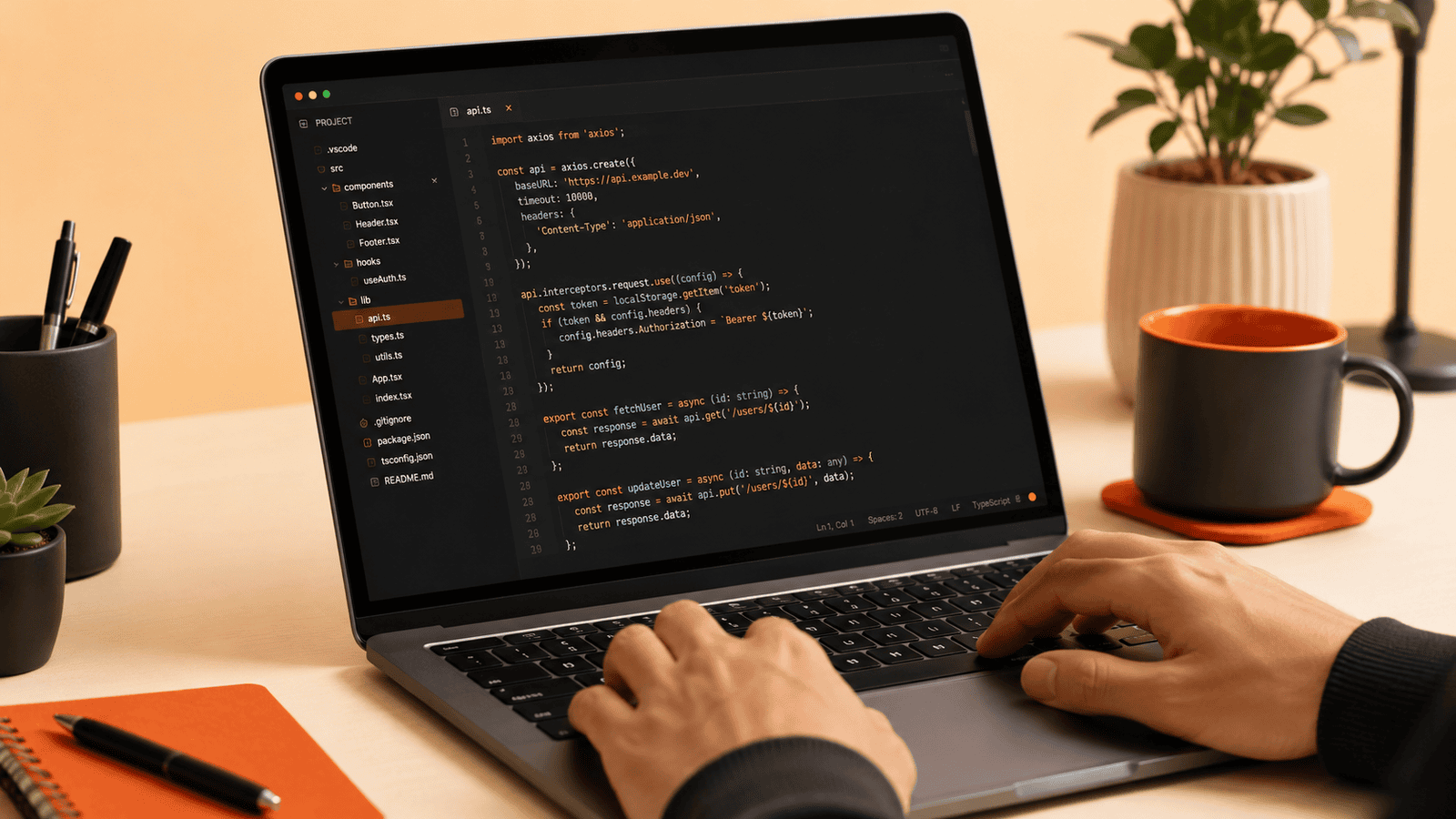

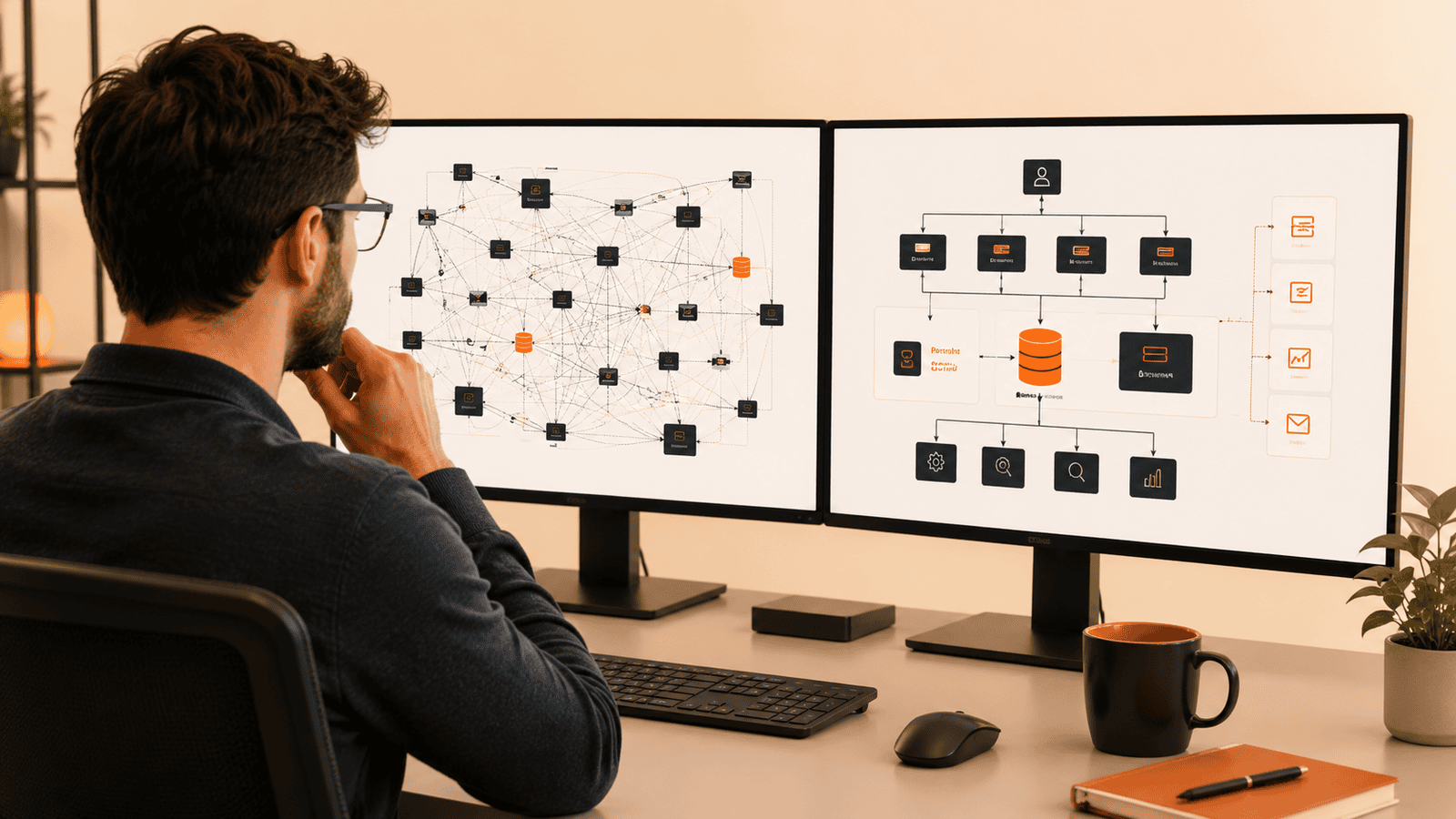
Internal tools consistently get less design attention than customer-facing products, even though the people using them daily deserve just as much thought and care as any paying customer would.
Low Design Priority Has a Real, If Invisible, Cost
Poor internal tool usability doesn't show up in customer complaints, which makes it easy to deprioritize — but it still costs real employee time and frustration every single day it goes unaddressed. That cost is simply less visible to leadership than a customer-facing problem, not less real in its cumulative impact on productivity and morale.
Good Internal Tools Get Built With the Actual Users, Not Just For Them
The internal tools that genuinely work well are usually the ones built with real input from the people who'll use them daily, not designed purely from a manager's assumptions about the workflow. A tool designed without genuine frontline input often optimizes for what looks efficient on paper rather than what's actually efficient in daily practice.
Consistency Across Internal Tools Matters More Than It Gets Credit For
Employees juggling several different internal tools, each with its own inconsistent interface conventions, pay a real cognitive tax that a shared design approach across tools would meaningfully reduce. Switching mental models between five differently designed internal systems throughout a single day is genuinely tiring in a way that's easy to underestimate from outside.
A Reasonable Standard to Hold Internal Tools To
If a customer-facing product wouldn't tolerate a specific usability problem, an internal tool probably shouldn't either — the users' time still has real value even though they're not customers generating direct revenue from their interaction with the tool.
Want your internal tools held to a higher standard? Custom Web Application Development
How to Measure the Real Cost of a Poorly Designed Internal Tool
Timing how long a common task actually takes with a specific internal tool, then multiplying by how often that task happens across the team, turns an abstract sense of frustration into a concrete number that makes the business case for improvement far more compelling to decision-makers who control the budget.
This kind of quantification often reveals that a seemingly minor daily annoyance is actually costing substantial cumulative time across a team over the course of a year, justifying investment that might otherwise seem hard to prioritize against more visible, customer-facing work.
Why Onboarding Experience for Internal Tools Deserves Real Attention
A new employee's first weeks are disproportionately shaped by how easy or difficult it is to learn the internal tools they need for their job, and a confusing, poorly onboarded internal tool can meaningfully affect new hire confidence and time-to-productivity in ways that compound the tool's underlying design cost.
How to Prioritize Internal Tool Investment Across a Portfolio of Tools
Ranking internal tools by how frequently they're used and how many people depend on them daily helps focus limited improvement budget on the tools with the greatest actual impact, rather than spreading effort evenly across tools with very different real usage levels.
Why Internal Tool Feedback Channels Often Go Unused
Employees frequently develop informal workarounds for a frustrating internal tool rather than formally reporting the issue, since they don't believe reporting will actually lead to change, which means the absence of complaints shouldn't be mistaken for genuine satisfaction with a tool's usability.
How to Run a Genuine Internal Tool Usability Session
Watching real employees attempt common tasks with an internal tool, without guiding or correcting them, reveals genuine friction points that asking employees to simply describe their experience verbally often misses, since people frequently underreport frustration they've already learned to work around.
This kind of direct observation, even informally with a handful of employees, tends to surface more actionable insight than a formal survey alone, since surveys capture stated opinion while direct observation captures actual behavior.
Why Internal Tool Ownership Often Falls Through Organizational Cracks
Internal tools frequently lack a single clearly accountable owner the way customer-facing products typically have a dedicated product manager, which means usability issues can persist indefinitely simply because nobody has explicit responsibility for noticing and addressing them.
How Internal Tool Quality Affects Broader Organizational Efficiency
Beyond the direct time cost to individual employees, poor internal tools can create downstream data quality issues, process workarounds, and coordination friction across teams that compounds well beyond the immediate frustration of the person directly using the tool.
A Reasonable Way to Establish Internal Tool Ownership
Assigning a specific person or small team explicit responsibility for each significant internal tool, including a channel for ongoing feedback and a regular review cadence, addresses the ownership gap that otherwise leaves internal tool quality to chance.
How Internal Tool Investment Compares to Customer-Facing Product Investment
Organizations that carefully calculate ROI for customer-facing product investment but treat internal tool spending as a lower-scrutiny cost center often miss that internal tool ROI, properly calculated through aggregate employee time savings, can be just as compelling as many customer-facing feature investments.
Why Internal Tool Retirement Deserves as Much Thought as Internal Tool Creation
Old internal tools that have outlived their usefulness but never get formally retired continue consuming maintenance attention and contributing to the interface inconsistency problem discussed earlier, making deliberate periodic review and retirement of genuinely obsolete tools a meaningful part of overall internal tool health.
Key Takeaways
- Poor internal tool usability carries real cost that's simply less visible than customer-facing problems.
- Tools built with genuine input from actual daily users consistently outperform those designed purely from assumption.
- Interface inconsistency across multiple internal tools imposes a real, often underestimated cognitive tax on employees.
- Internal tools deserve the same usability standard a customer-facing product would be held to.
- Quantifying time cost across a team turns abstract frustration into a compelling, concrete business case for investment.
Frequently Asked Questions
How do we justify budget for improving an internal tool?
Quantifying the real time cost across the team — task time multiplied by frequency — turns abstract frustration into a concrete, compelling business case.
Should internal tools follow the same design system as customer-facing products?
Ideally yes, or at least a consistent internal design approach, since consistency across tools reduces real cognitive burden on employees using several daily.
Why don't employees report internal tool frustrations more often?
Many don't believe reporting will lead to actual change, developing informal workarounds instead — absence of complaints shouldn't be read as satisfaction.
Does internal tool quality actually affect new employee onboarding?
Yes — a confusing internal tool can meaningfully affect new hire confidence and time-to-productivity during their critical first weeks.
How should we prioritize which internal tools to improve first?
Ranking by usage frequency and how many people depend on each tool daily focuses limited budget on the highest-impact improvements.
Is watching employees use a tool better than asking them about it?
Often yes — direct observation reveals genuine friction people frequently underreport verbally, having already adapted with unconscious workarounds.
Why do internal tools often lack a clear owner?
Unlike customer-facing products with dedicated product managers, internal tools frequently fall through organizational accountability gaps.
Does poor internal tool quality affect more than just the direct user?
Yes — it can create downstream data quality issues and cross-team coordination friction that compounds well beyond individual frustration.
Should internal tools get the same ROI scrutiny as customer-facing features?
Yes — properly calculated through aggregate employee time savings, internal tool ROI can be just as compelling as many customer-facing investments.
Is it worth formally retiring old, unused internal tools?
Yes — tools that have outlived their usefulness continue consuming maintenance attention and contributing to interface inconsistency if left unretired.
Does internal tool quality affect employee retention?
It can contribute — persistent daily frustration with core work tools is a real, if often underrecognized, factor in overall job satisfaction.
Should internal tools get a dedicated budget line, separate from general IT spending?
Often yes — a dedicated line makes the investment visible and evaluable on its own merits rather than competing invisibly within general overhead.
Can outsourcing internal tool development work as well as building it in-house?
Yes, provided the same genuine user research and ownership practices are maintained regardless of whether the team is internal or external.
Should internal tools get regular usability audits like customer products do?
Yes, ideally — applying the same rigor internal tools get from occasional external customer-facing audits produces more consistently usable results.
Does internal tool investment pay off faster for larger organizations?
Generally yes — the aggregate time savings scale with more users, making the ROI case stronger for larger teams using the same tool.
Should feedback from internal tool users be collected continuously, not just periodically?
Yes, ideally — an always-available feedback channel catches issues as they arise rather than waiting for a scheduled review cycle.
Does this apply to tools built by third-party vendors, not just in-house?
Yes — the same usability standards and ownership principles apply regardless of whether an internal tool is built in-house or by an outside vendor.
Can a great internal tool become a competitive advantage over time?
Yes, indirectly — genuinely efficient internal operations can translate into faster execution and better service than competitors managing with weaker tools.